What Is School Readiness?
School readiness isn't just about academic skills like knowing the alphabet or counting. It's about having the social, emotional, physical, and cognitive skills to participate successfully in a classroom environment.
Key Areas of School Readiness
Self-Regulation
- Managing emotions appropriately
- Coping with frustration and disappointment
- Waiting for their turn
- Transitioning between activities
- Staying seated for short periods
Social Skills
- Playing cooperatively with peers
- Sharing and taking turns
- Following group instructions
- Understanding social boundaries
- Communicating needs appropriately
Independence & Self-Care
- Toileting independently
- Managing lunch boxes and drink bottles
- Putting on and taking off shoes
- Carrying their own bag
- Asking for help when needed
Fine Motor Skills
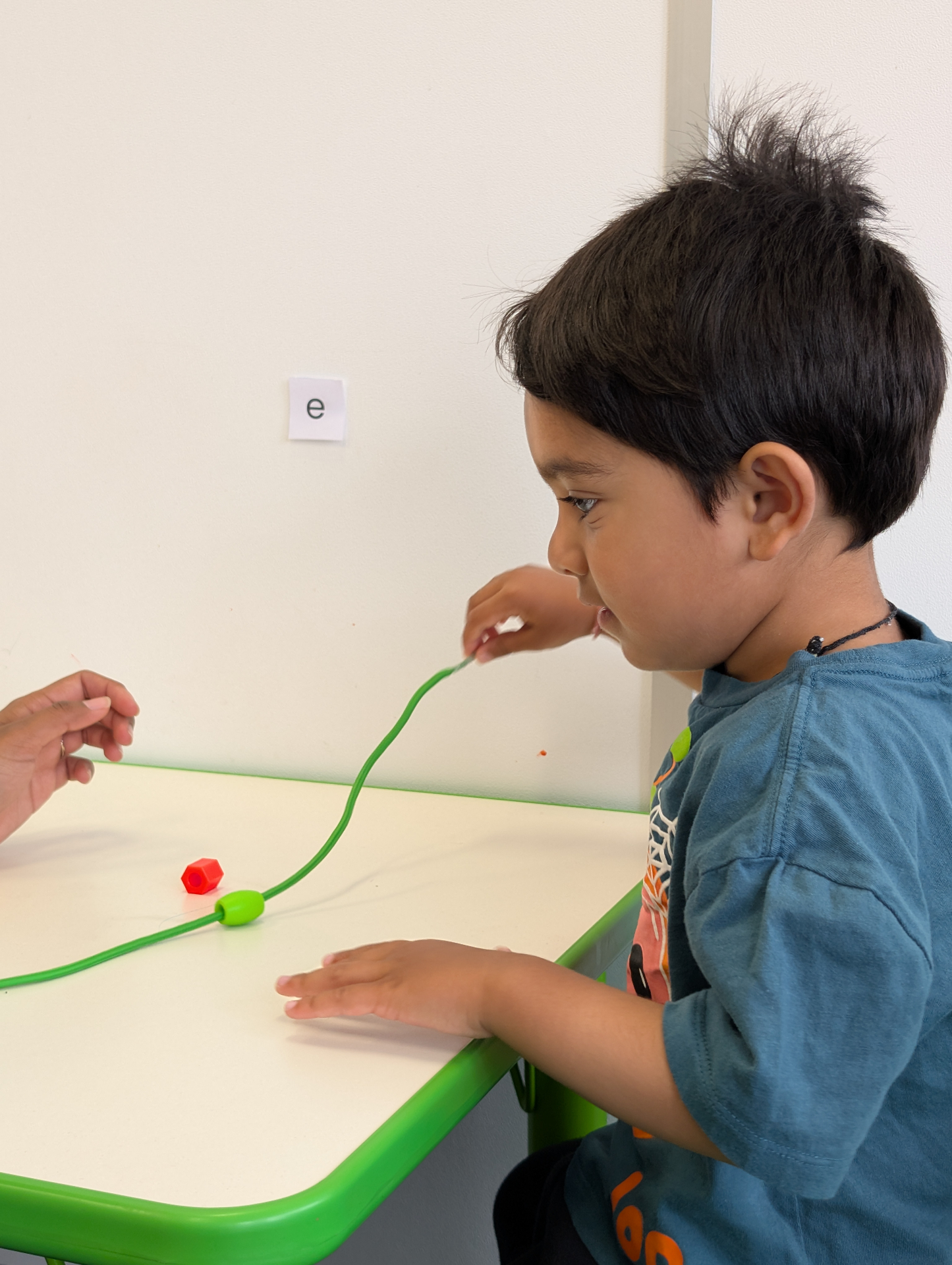
- Holding a pencil correctly
- Using scissors
- Drawing recognisable pictures
- Writing their name
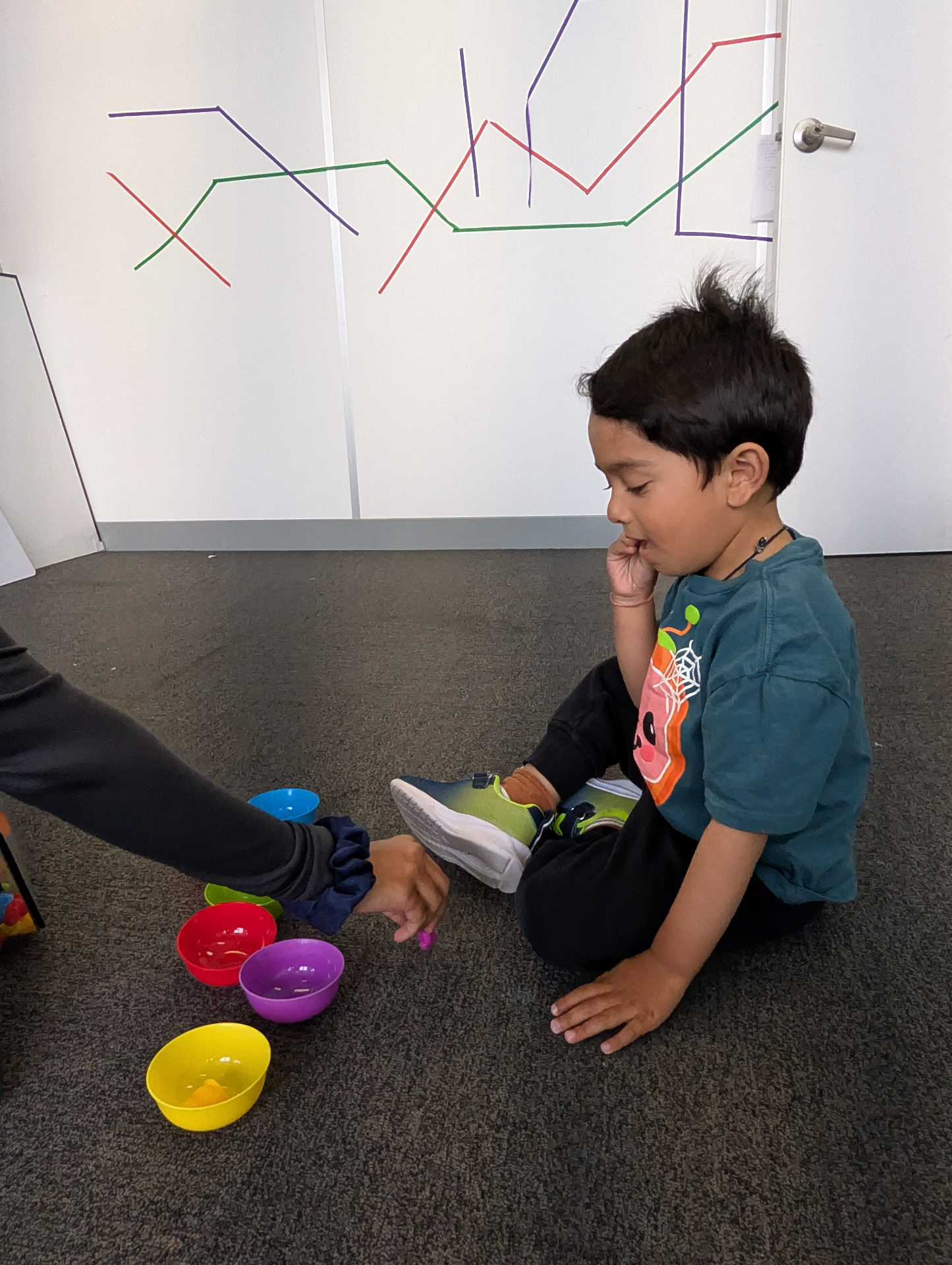
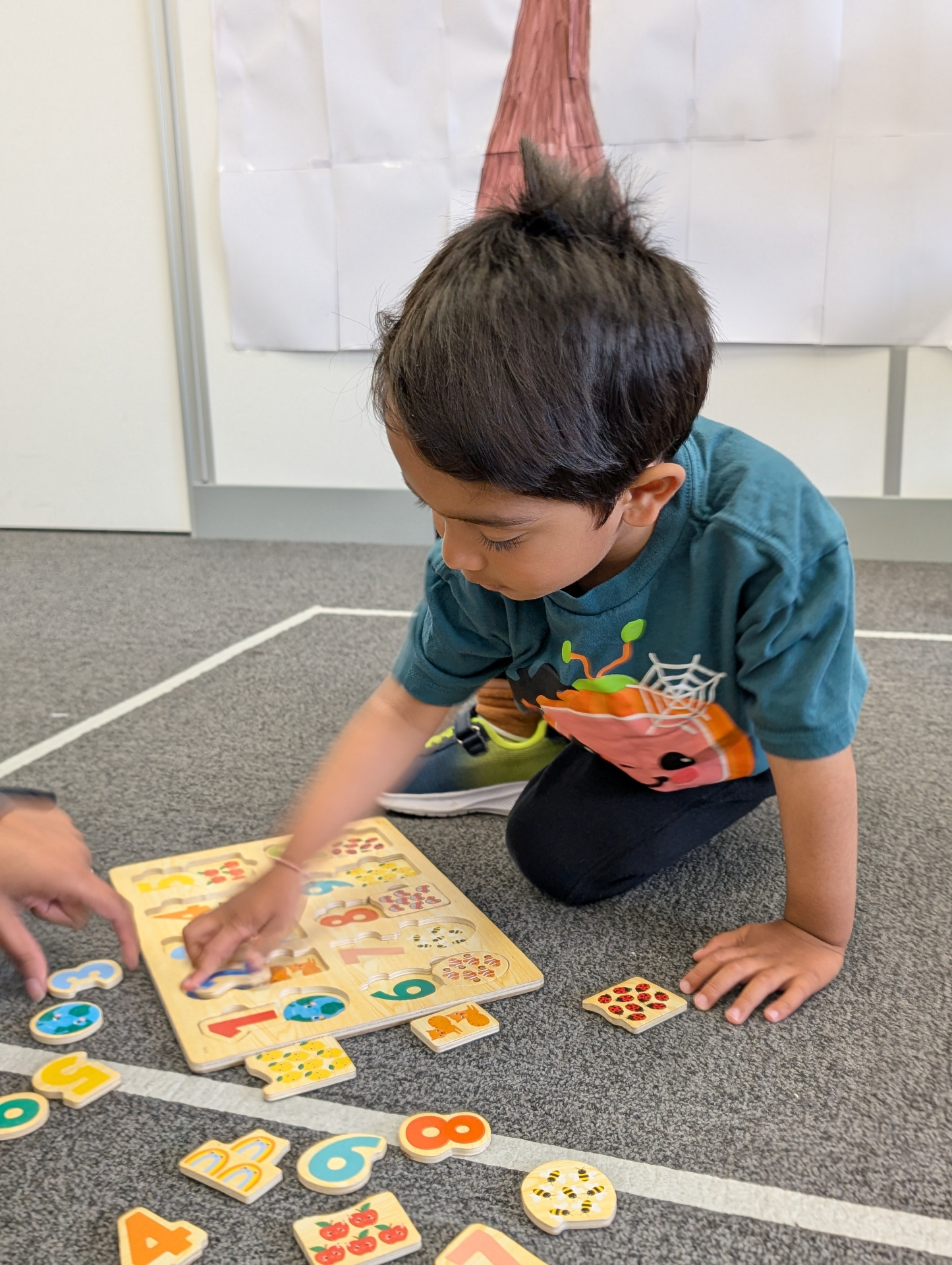
- Completing puzzles
Gross Motor Skills
- Sitting upright at a desk
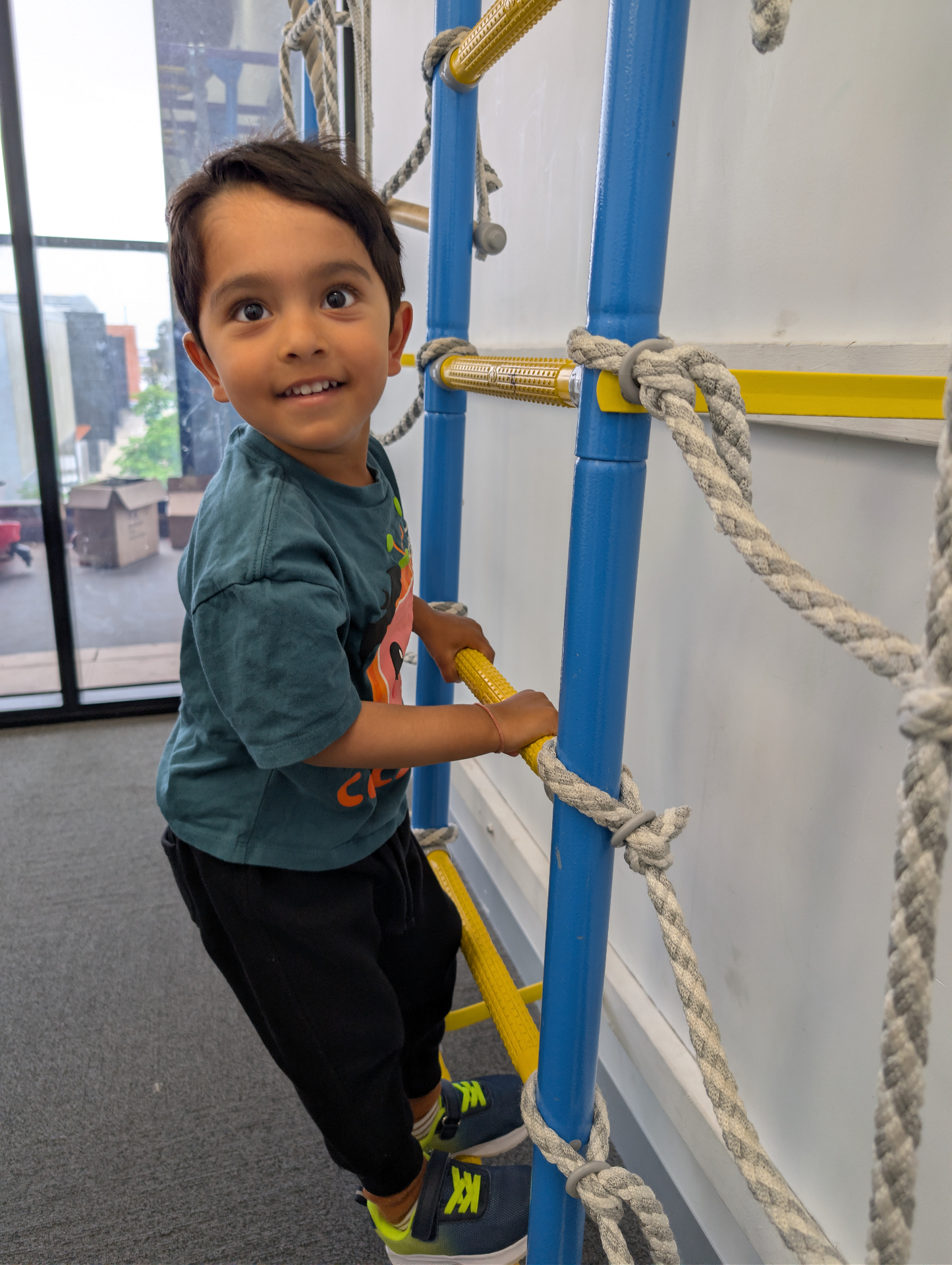
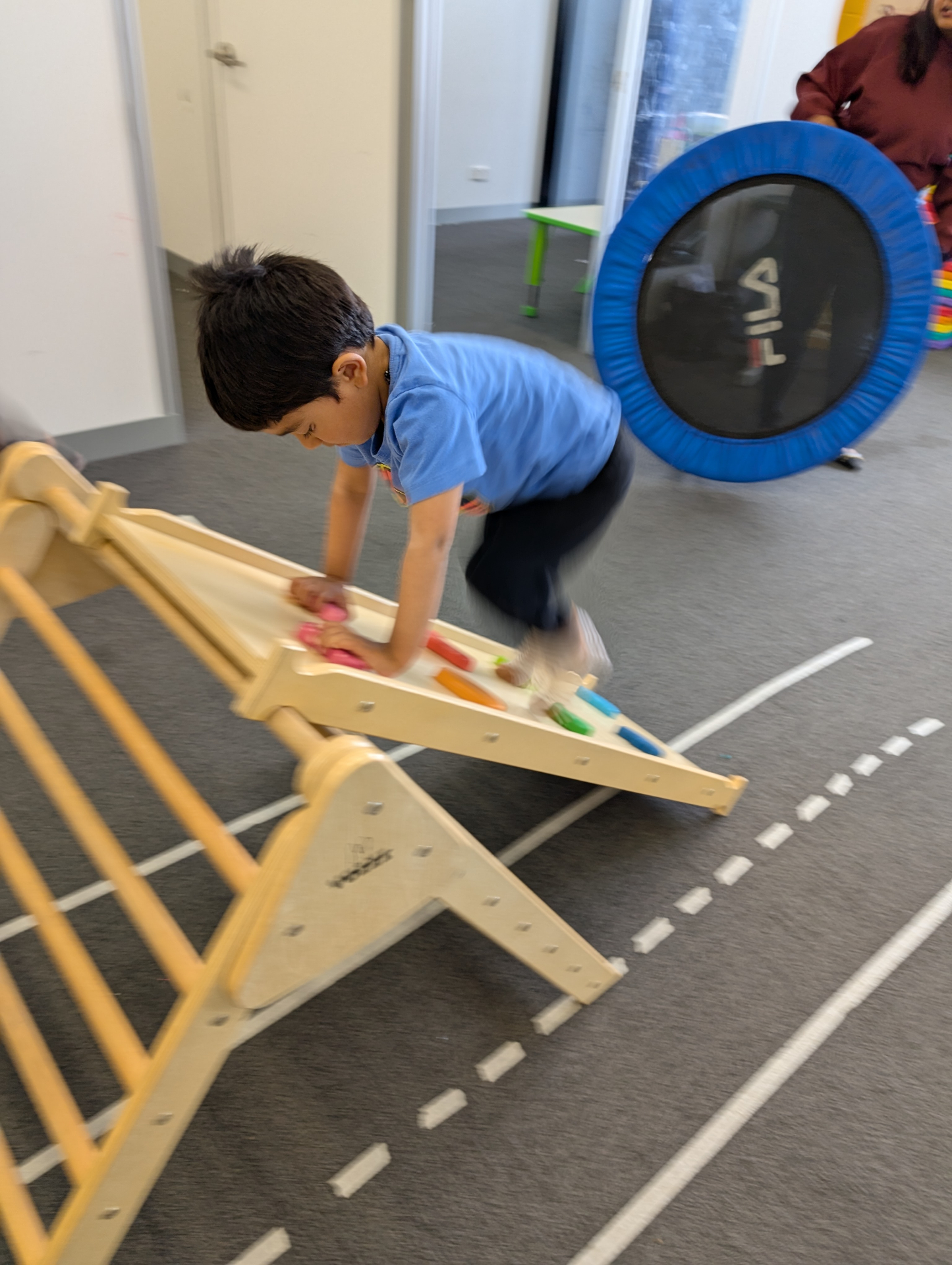
- Navigating playground equipment
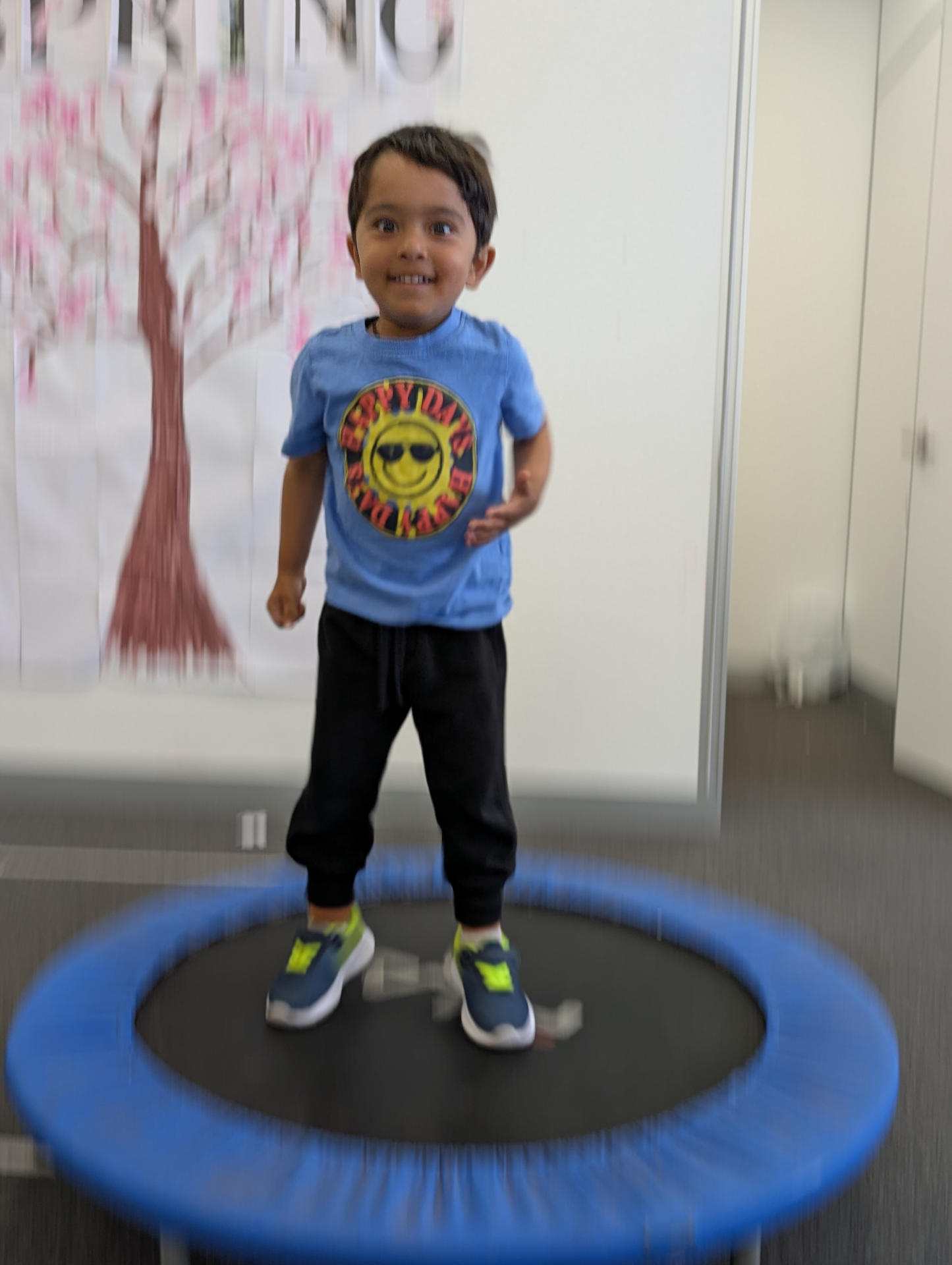
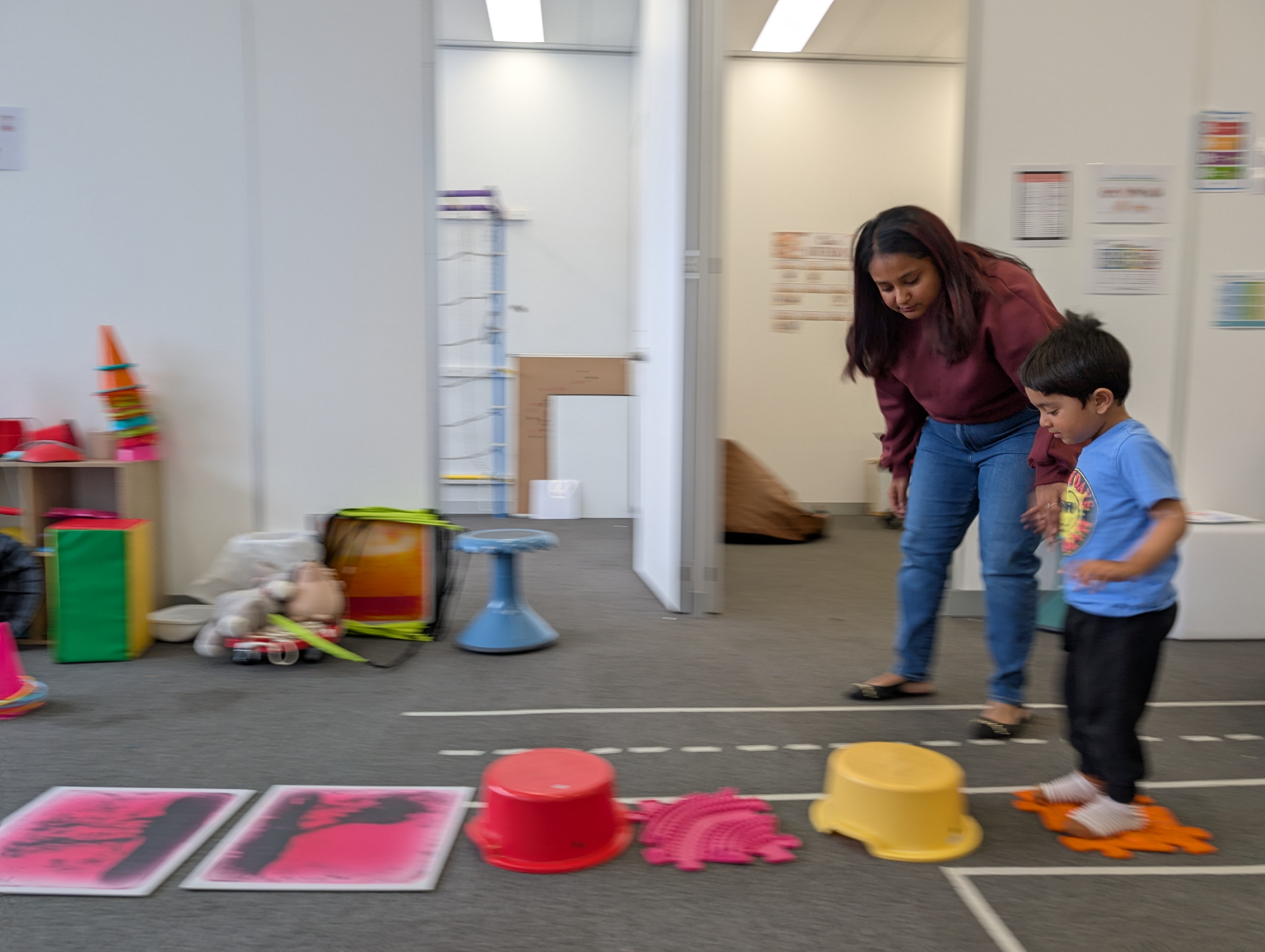
- Running, jumping, and balancing
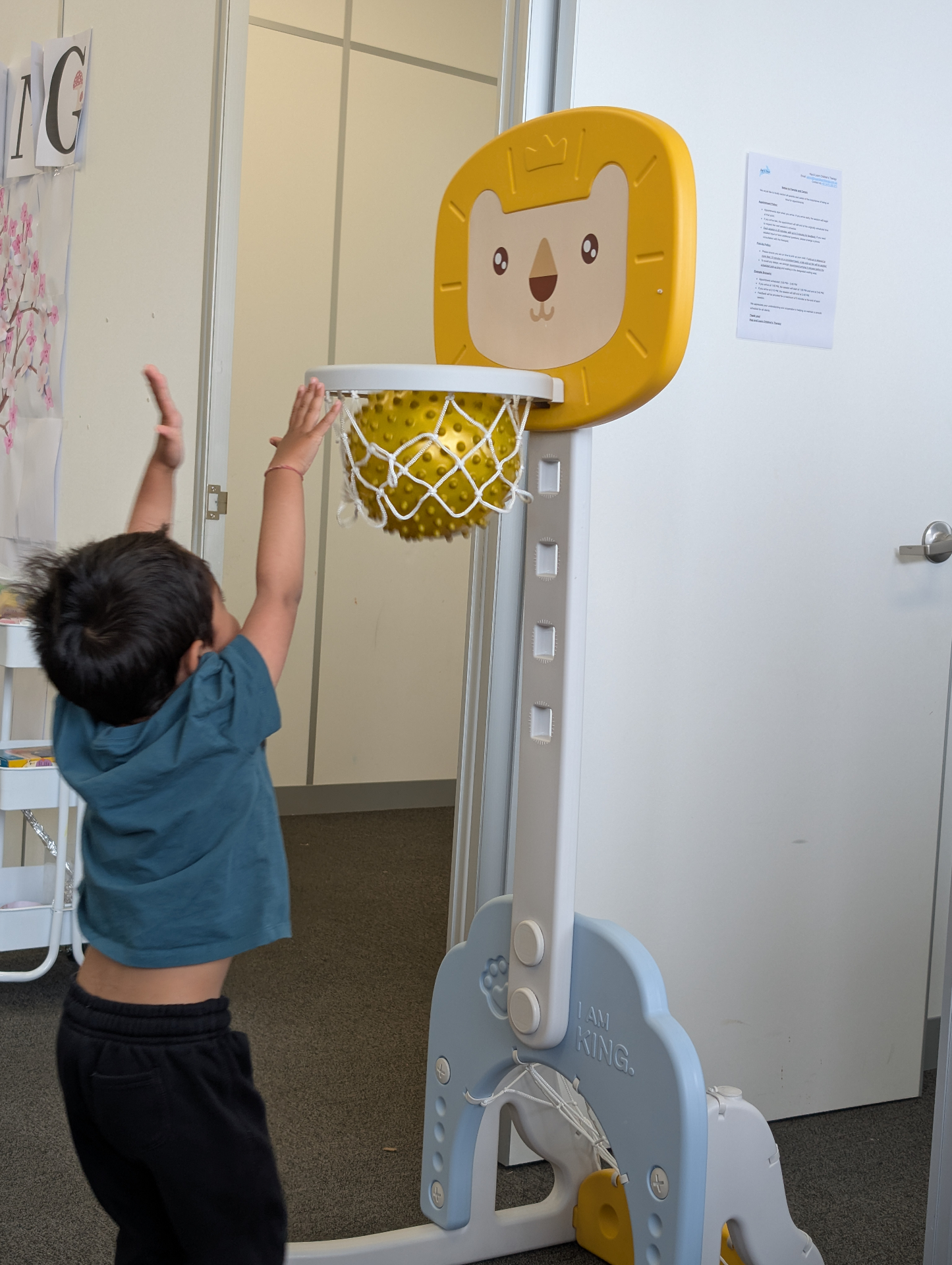
- Throwing and catching
- Coordinating body movements
Language & Communication
- Following multi-step instructions
- Expressing needs and wants clearly
- Understanding and answering questions
- Telling simple stories
- Knowing common vocabulary
Attention & Listening
- Attending to a story for 10-15 minutes
- Following group instructions
- Filtering out distractions
- Completing simple tasks independently
- Remembering information
Signs Your Child May Need Support
- Difficulty separating from parents
- Struggling to follow instructions
- Avoiding pencil and paper activities
- Trouble getting along with peers
- Not toilet trained
- Very short attention span
- Significant speech or language delays
- Difficulty with self-care tasks
How to Support School Readiness
At Home
- Practice self-care routines independently
- Read books about starting school
- Play games that involve waiting and turn-taking
- Do craft activities to build fine motor skills
- Talk about feelings and coping strategies
With Routine
- Establish consistent morning and bedtime routines
- Practice early wake-up times before school starts
- Create visual schedules
- Set up a homework area (even for "pretend" homework)
Through Play
- Arrange playdates with future classmates
- Visit the school playground
- Practice carrying a bag and using a lunch box
- Role-play classroom scenarios
Occupational Therapy for School Readiness
OTs can assess and support:
- Fine motor skills for writing and cutting
- Gross motor skills for playground play
- Sensory processing for classroom tolerance
- Self-regulation for managing the school day
- Self-care independence
Speech Pathology for School Readiness
Speech Pathologists can support:
- Following classroom instructions
- Expressing ideas clearly
- Building vocabulary
- Pre-literacy skills (rhyming, syllables, sounds)
- Social communication with peers
Should I Delay Starting School?
This is a personal decision for each family. Consider:
- Your child's birthday (younger in their year?)
- Their developmental profile
- Their social-emotional maturity
- Professional recommendations
- Available support options
Our Approach at Hop & Learn
We offer school readiness assessments and targeted therapy programs to help children build the skills they need. Our team works with families to create individualised plans that make the transition to school smoother and more successful.
Share:
Back to Blog