
Is It Just a Phase?
Most children go through phases of picky eating—it's a normal part of development. But for some children, eating difficulties go beyond typical fussiness and may need professional support.
Typical Picky Eating
Normal picky eating usually involves:
- Preferring certain foods over others
- Going through phases of food jags
- Being suspicious of new foods initially
- Eating better at some meals than others
- Having about 30+ foods they'll eat
When It Might Be More
Signs that feeding challenges may need support:
- Eating fewer than 20 foods
- Eliminating entire food groups
- Gagging or vomiting with certain textures
- Extreme distress at mealtimes
- Weight loss or failure to gain weight
- Meals lasting longer than 30 minutes regularly
- Only eating specific brands or preparations
- Anxiety around food and eating
Possible Underlying Causes
Sensory Sensitivities
Some children are highly sensitive to:
- Food textures (mushy, crunchy, mixed)
- Tastes (bitter sensitivity is common)
- Smells
- Appearance (won't eat foods touching)
- Temperature
Oral Motor Difficulties
Children may struggle with:
- Chewing efficiently
- Moving food around the mouth
- Swallowing safely
- Coordinating breathing and swallowing
Medical Factors
Including:
- Reflux or digestive issues
- Food allergies or intolerances
- Constipation
- Tonsil or adenoid issues
Anxiety
- Fear of choking
- Traumatic feeding experiences
- General anxiety affecting appetite
What NOT to Do
- Force children to eat
- Use dessert as a bribe
- Make separate meals for everyone
- Create pressure or stress at mealtimes
- Sneak vegetables into other foods
Helpful Strategies
Take the Pressure Off
Serve meals family-style and let children choose what to eat from what's offered.
Involve Children in Food Prep
Children are more likely to try foods they've helped prepare.
Offer New Foods Alongside Familiar Ones
Include at least one "safe" food at every meal.
Model Positive Eating
Let children see you enjoying a variety of foods.
Keep Mealtimes Pleasant
Focus on connection, not consumption.
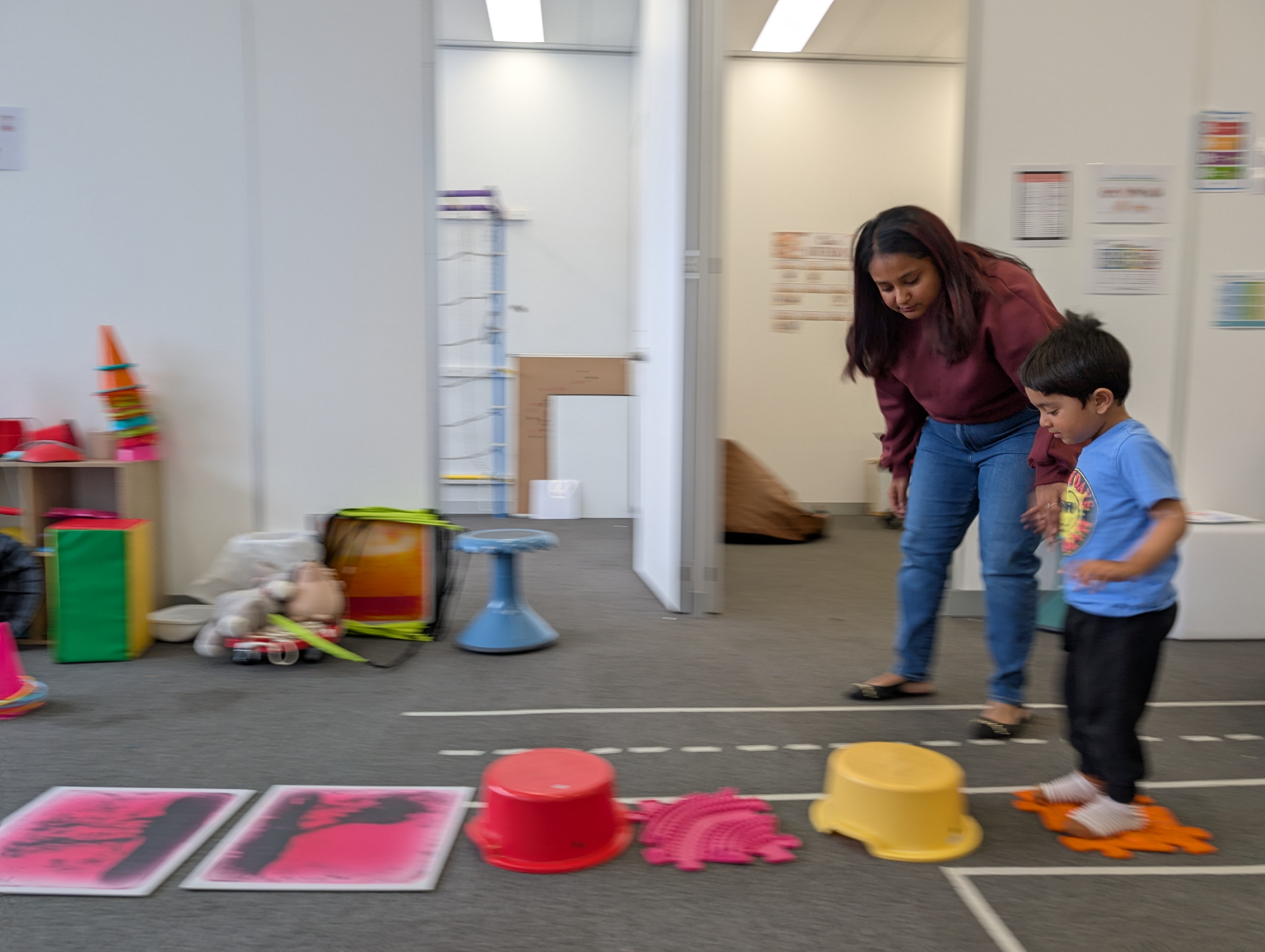
Food Play
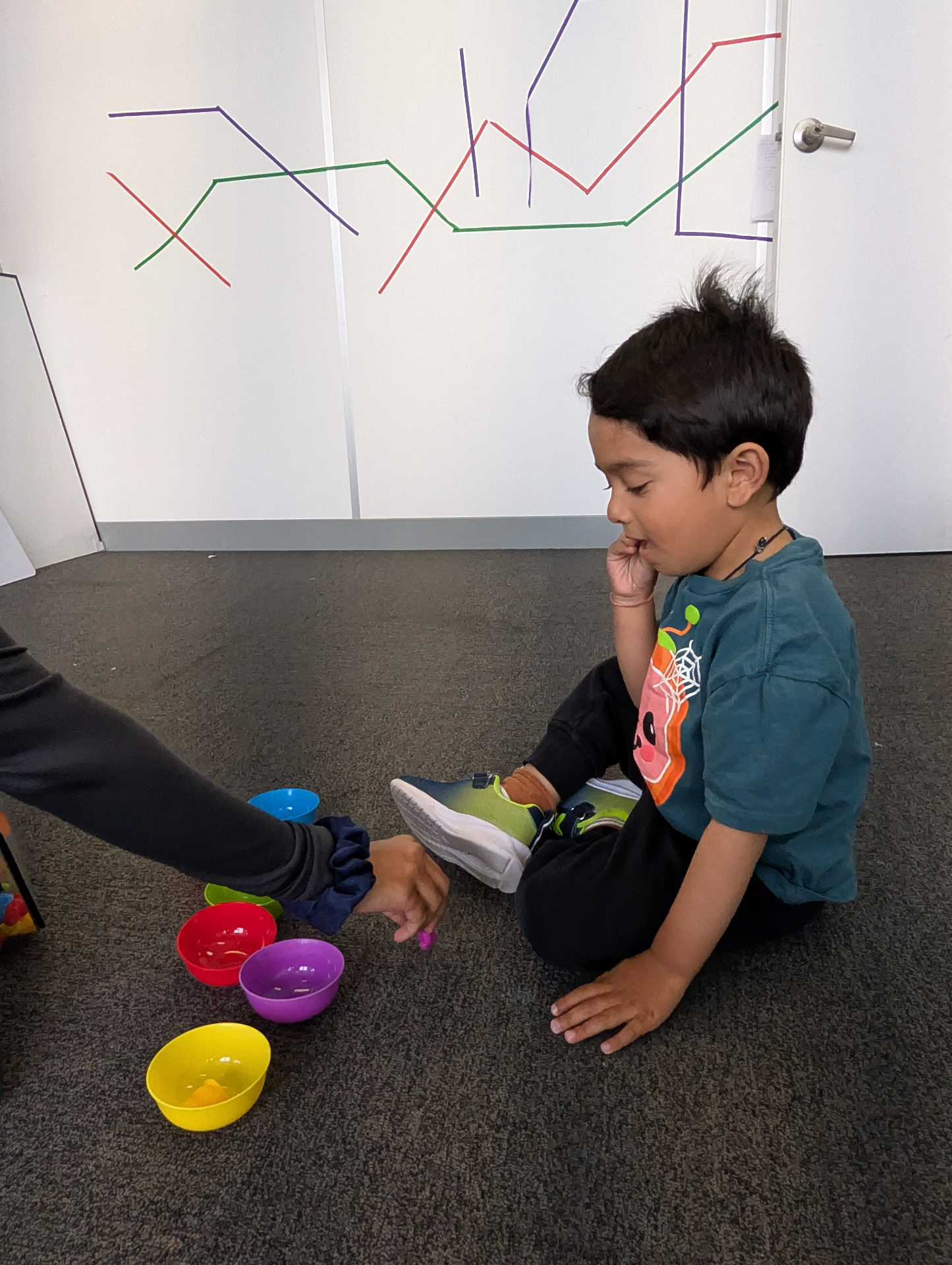
Explore foods outside of mealtimes through play—no eating required.
Stay Consistent
It can take 10-15 exposures before a child accepts a new food.
The Role of Feeding Therapy
Occupational Therapists and Speech Pathologists can help with feeding challenges. At Hop & Learn, we:
- Assess sensory, motor, and behavioural factors
- Develop individualised feeding programs
- Support families with mealtime strategies
- Use play-based approaches to make food exploration fun
- Address underlying oral motor or sensory issues
When to Seek Help
Don't wait if:
- You're concerned about your child's nutrition
- Mealtimes are consistently stressful
- Your child's food range is shrinking
- There are signs of aspiration (coughing/choking)
- Weight or growth is affected
Early intervention leads to better outcomes.