What Are Fine Motor Skills?
Fine motor skills involve the coordination of small muscles in the hands and fingers with the eyes. These skills are essential for everyday activities like writing, buttoning clothes, using utensils, and manipulating small objects.
Why Fine Motor Skills Matter
Strong fine motor skills help children:
- Hold a pencil and write legibly
- Use scissors effectively
- Button, zip, and tie shoelaces
- Feed themselves independently
- Play with construction toys like LEGO
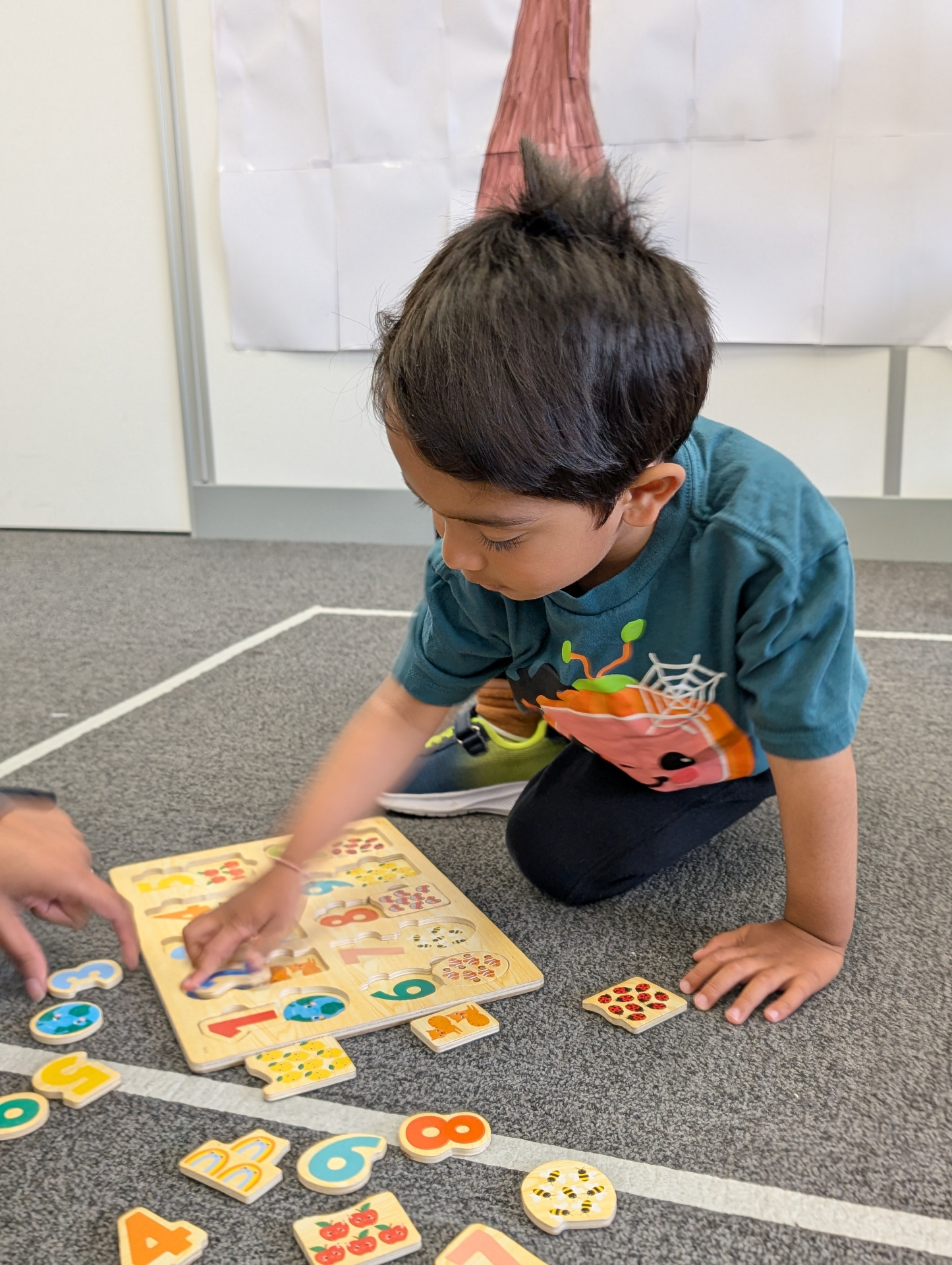
- Complete puzzles and craft activities
Developmental Milestones
1-2 Years
- Picks up small objects with thumb and finger
- Stacks 2-4 blocks
- Scribbles with crayons
- Turns pages in a book
2-3 Years
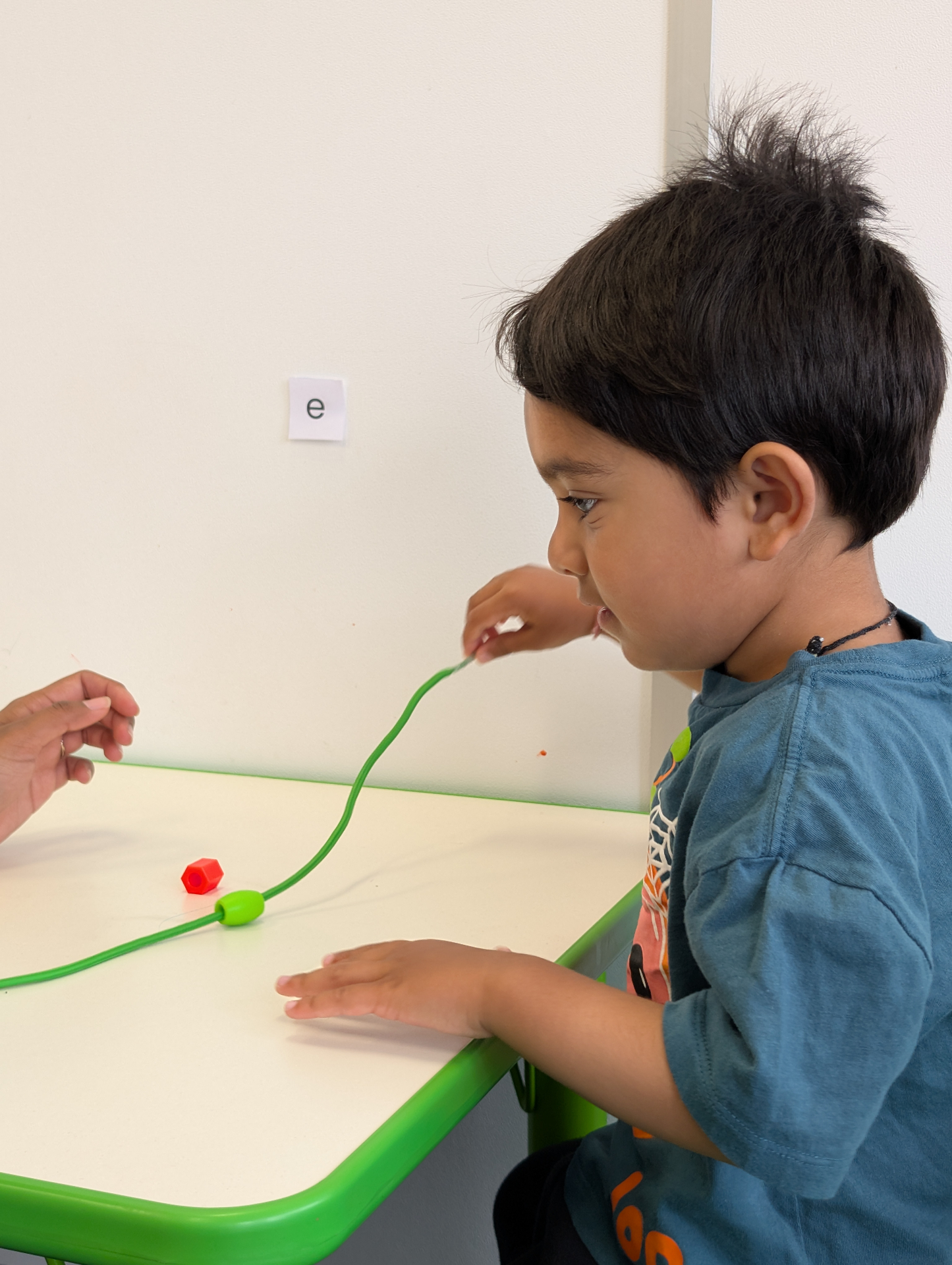
- Strings large beads
- Uses scissors with assistance
- Copies simple lines and circles
- Builds towers of 6+ blocks
3-4 Years
- Uses scissors independently
- Draws recognizable shapes
- Buttons large buttons
- Holds pencil with correct grip
4-5 Years
- Cuts along lines
- Writes some letters
- Ties simple knots
- Uses knife and fork
Signs Your Child May Need Support
- Avoids fine motor activities
- Gets frustrated with drawing or writing
- Difficulty holding pencils or crayons
- Struggles with self-care tasks
- Hand fatigue during activities
- Unusual pencil grip
Fun Activities to Build Fine Motor Skills
Playdough Play
Rolling, pinching, squeezing, and creating with playdough strengthens hand muscles.
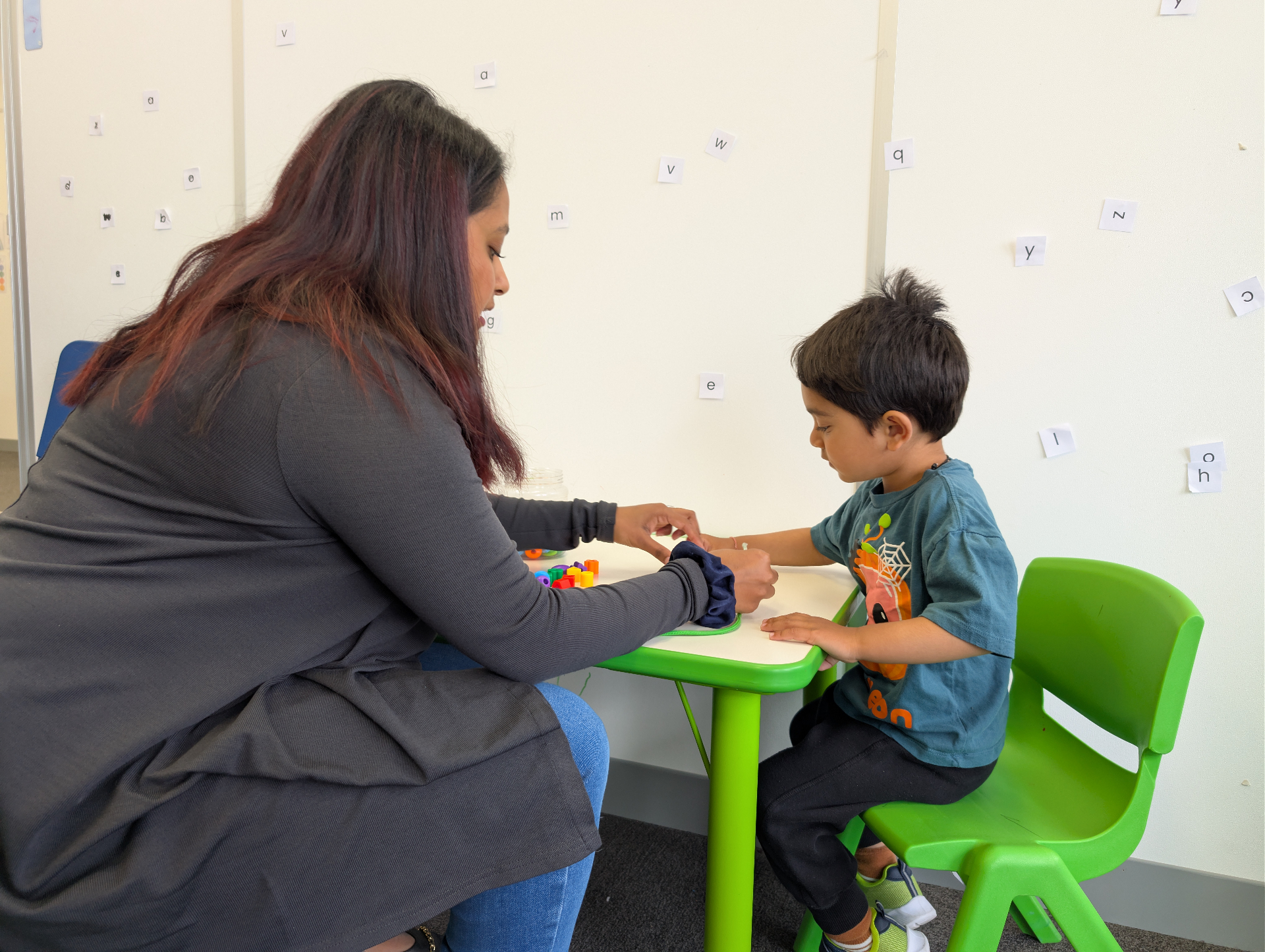
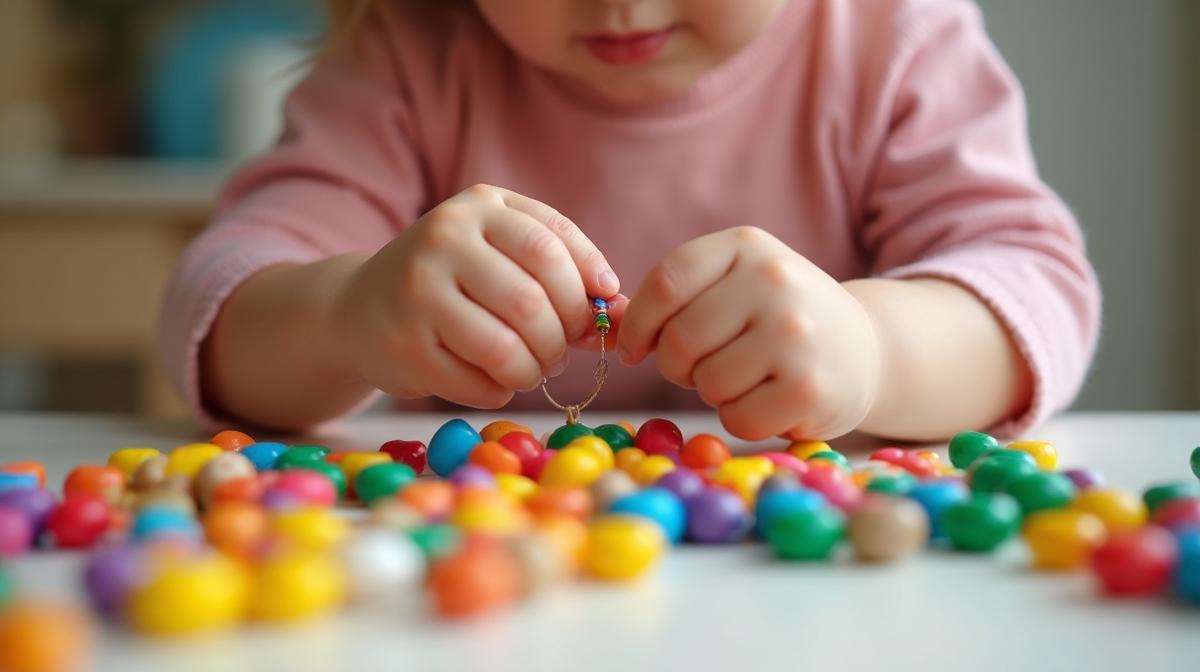
Bead Threading
Start with large beads and thick string, progressing to smaller beads as skills develop.
Scissor Practice
Cut playdough, straws, or paper strips. Make cutting fun with craft activities.
Tongs and Tweezers
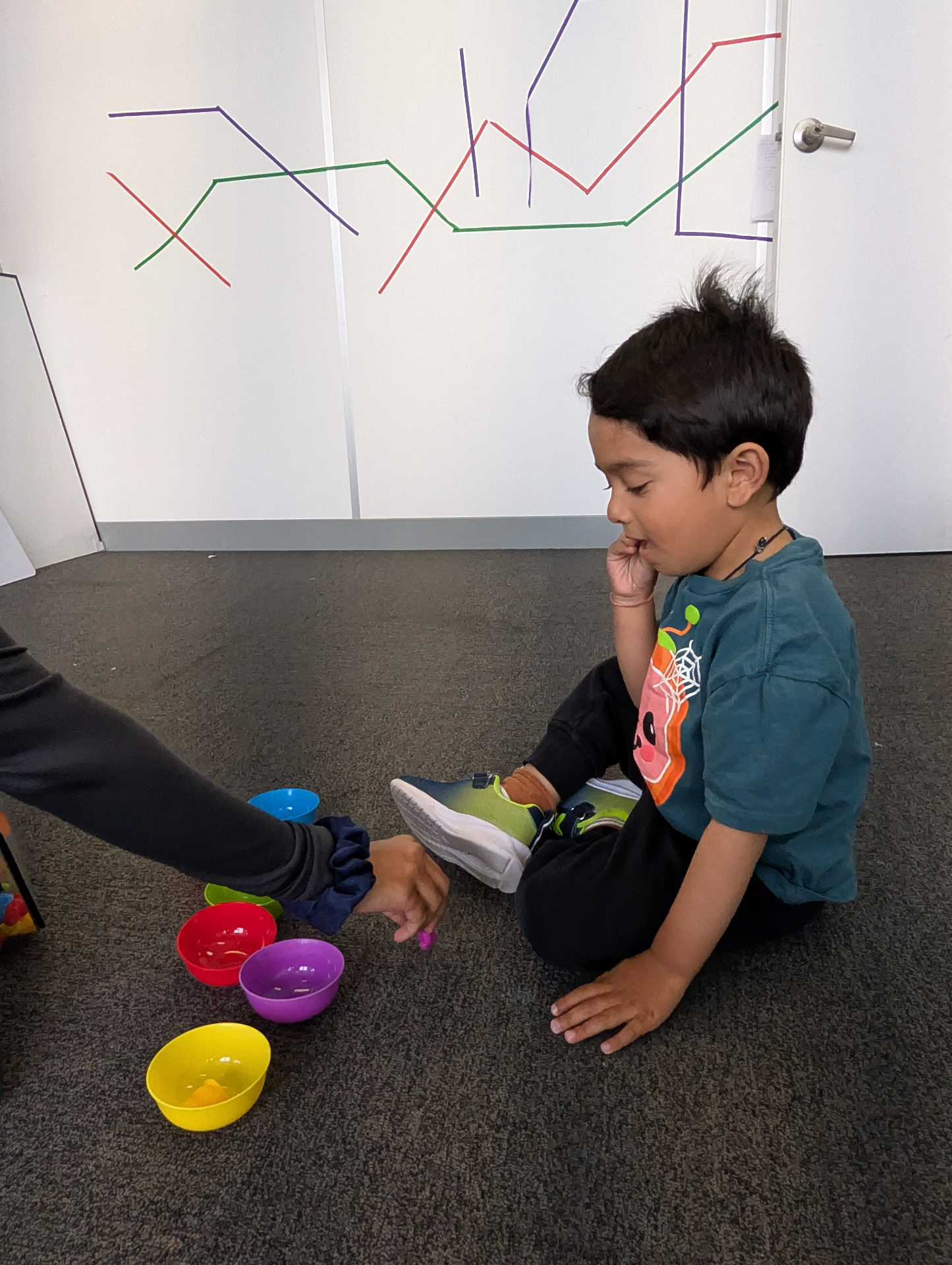
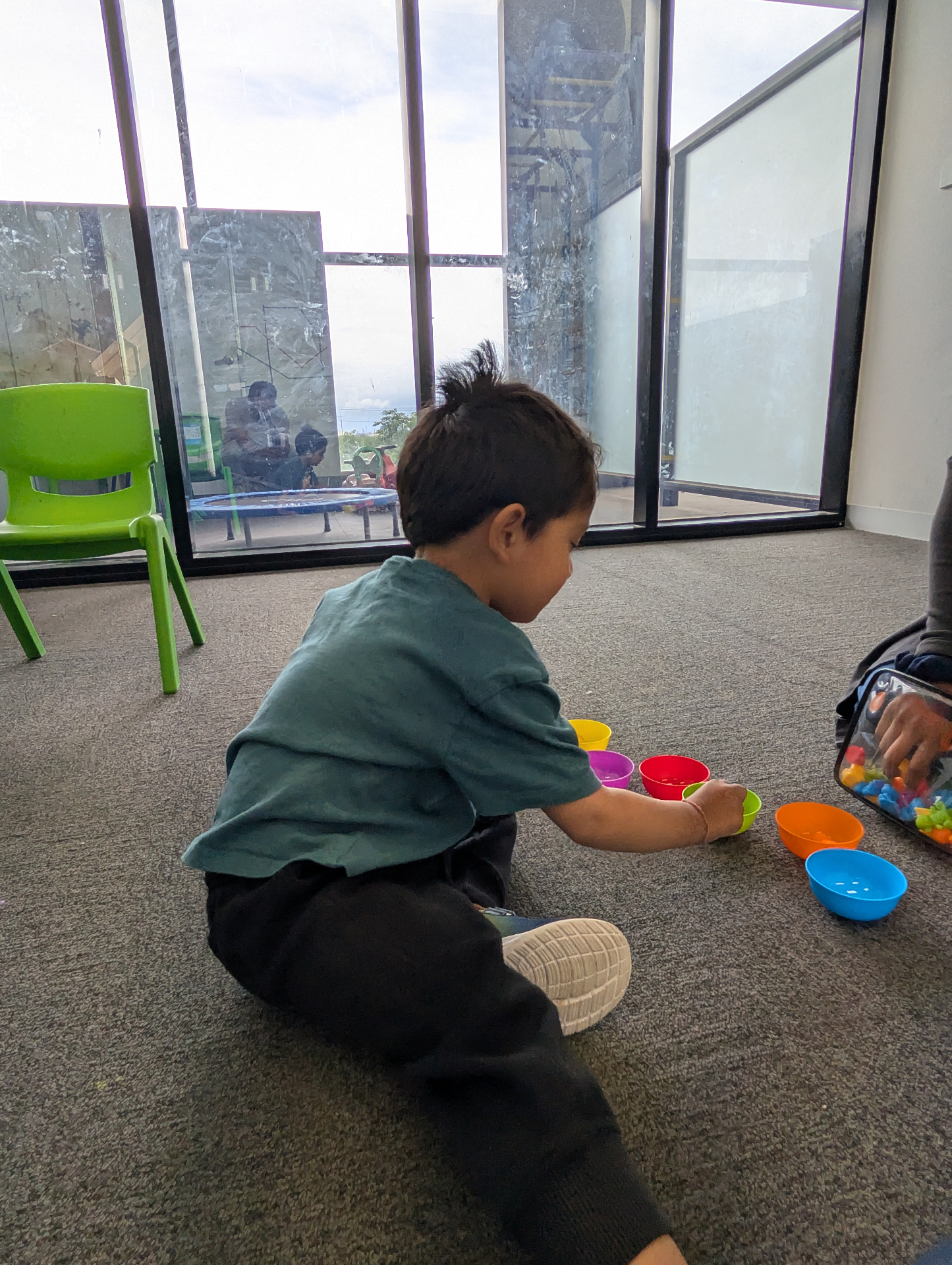
Transfer pom poms, cotton balls, or small objects between containers.
Drawing and Colouring
Use different materials: crayons, pencils, markers, chalk, and paint.
Pegging
Use clothespegs to hang pictures or sort colours on a line.
Lacing Cards
Thread shoelaces through pre-punched cards in patterns.
Construction Play
LEGO, blocks, and magnetic tiles all build fine motor control.
Tips for Success
- Make it fun—if it feels like work, children disengage
- Start simple—build success before increasing difficulty
- Short sessions—5-10 minutes is often enough
- Praise effort—celebrate trying, not just outcomes
- Be patient—skills take time to develop
When to Seek Help
If your child is significantly behind peers in fine motor skills or showing signs of frustration, an Occupational Therapist can assess their abilities and develop a tailored plan. At Hop & Learn, we make fine motor therapy playful and engaging.