What Is AAC?
Augmentative and Alternative Communication (AAC) refers to all the ways we communicate without speech. This includes:
- Gestures and body language
- Facial expressions
- Signs and sign language
- Picture communication systems
- Speech-generating devices and apps
AAC doesn't replace speech—it augments it. Many children use AAC alongside developing verbal skills.
Who Benefits from AAC?
Children who may benefit include those with:
- Autism Spectrum Disorder
- Developmental delays
- Childhood Apraxia of Speech
- Cerebral Palsy
- Down Syndrome
- Hearing impairments
- Any condition affecting speech production
Common Myths About AAC
Myth: AAC stops children from learning to talk
Reality: Research shows AAC actually supports speech development. When children can communicate successfully, motivation and opportunities for speech increase.
Myth: Children need to be a certain age for AAC
Reality: There's no age minimum. Even toddlers can benefit from simple AAC systems.
Myth: AAC should be the last resort
Reality: Early introduction of AAC leads to better outcomes. It should be considered alongside other interventions.
Myth: Only non-verbal children need AAC
Reality: Children with limited or unclear speech benefit from AAC to support their verbal attempts.
Types of AAC
No-Tech / Low-Tech
- Gestures and pointing
- Key Word Sign (Auslan-based)
- Picture boards and books
- PECS (Picture Exchange Communication System)
- Visual schedules and choice boards
High-Tech
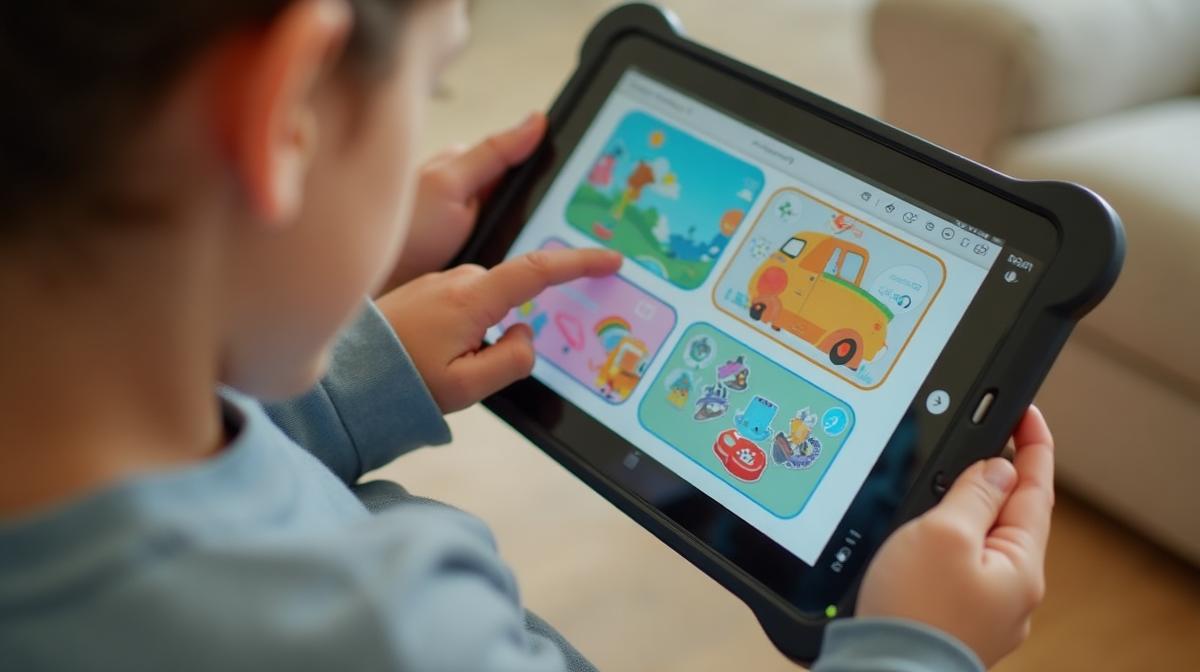
- Tablets with communication apps
- Dedicated speech-generating devices
- Eye-gaze technology
- Apps like Proloquo2Go, TouchChat, LAMP
How AAC Works in Practice
Modelling
Adults and communication partners model AAC use, showing children how to use it in everyday situations.
Vocabulary Selection
We choose vocabulary based on core words (most frequently used words) and fringe vocabulary specific to the child's life.
Integration
AAC becomes part of daily routines—mealtimes, play, outings, and learning.
Customisation
Systems are personalised with photos, preferred colours, and relevant vocabulary.
Supporting Your Child with AAC
Be Patient
Learning a new communication system takes time—for everyone.
Model, Model, Model
Use the AAC system yourself when talking to your child.
Presume Competence
Assume your child has things to say and give them ways to say it.
Make It Available
The AAC system should always be accessible—at home, school, and in the community.
Celebrate All Communication
Any attempt to communicate is valuable.
The Role of Speech Pathology
Speech Pathologists specialising in AAC can:
- Assess communication needs and abilities
- Recommend appropriate AAC systems
- Customise vocabulary and access methods
- Train families and teachers
- Monitor progress and adapt systems
Our Approach at Hop & Learn
We believe every child deserves a voice. Our Speech Pathologists are trained in various AAC systems and work with families to find the best communication solutions for each child. We focus on building functional communication skills through play-based, naturalistic intervention.