
The Screen Time Debate
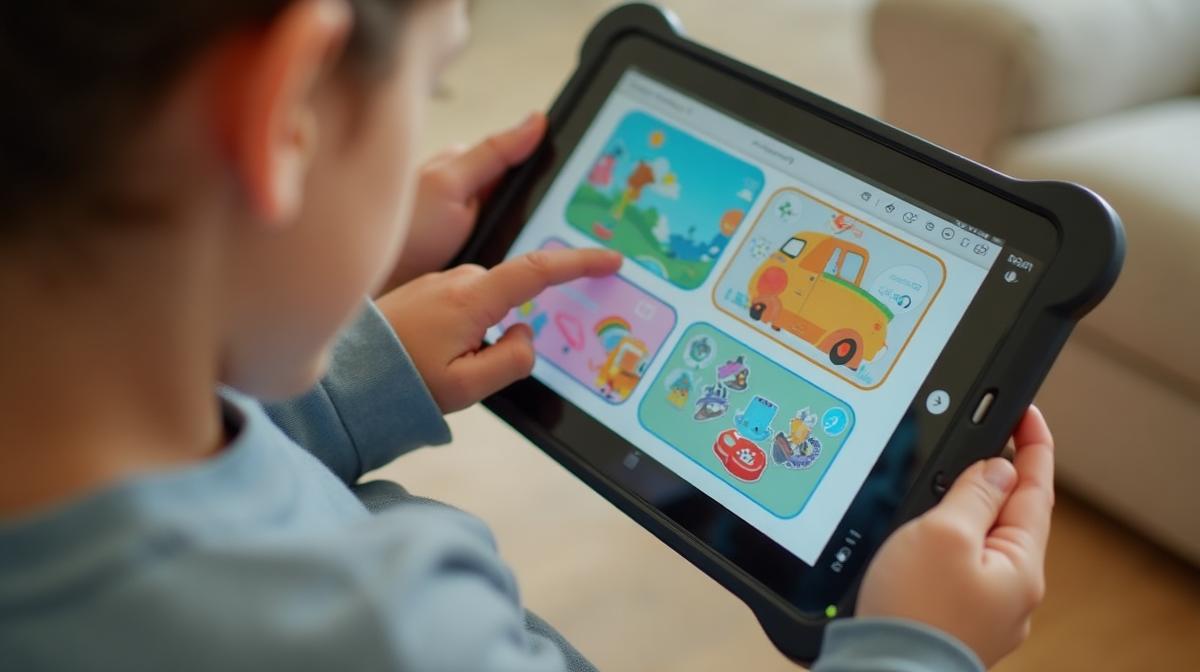
Screens are everywhere, and most families struggle with how to manage their children's screen time. The research is clear that excessive screen time can impact development, but the reality of modern life means screens are often unavoidable—and can even be beneficial when used thoughtfully.
How Screens Can Affect Development
Language Development
Children learn language through interaction with people, not screens. Passive screen watching doesn't provide the back-and-forth conversation that builds communication skills.
Social Skills
Face-to-face interaction teaches children to read facial expressions, take turns, and respond to social cues—skills they can't learn from a screen.
Physical Development
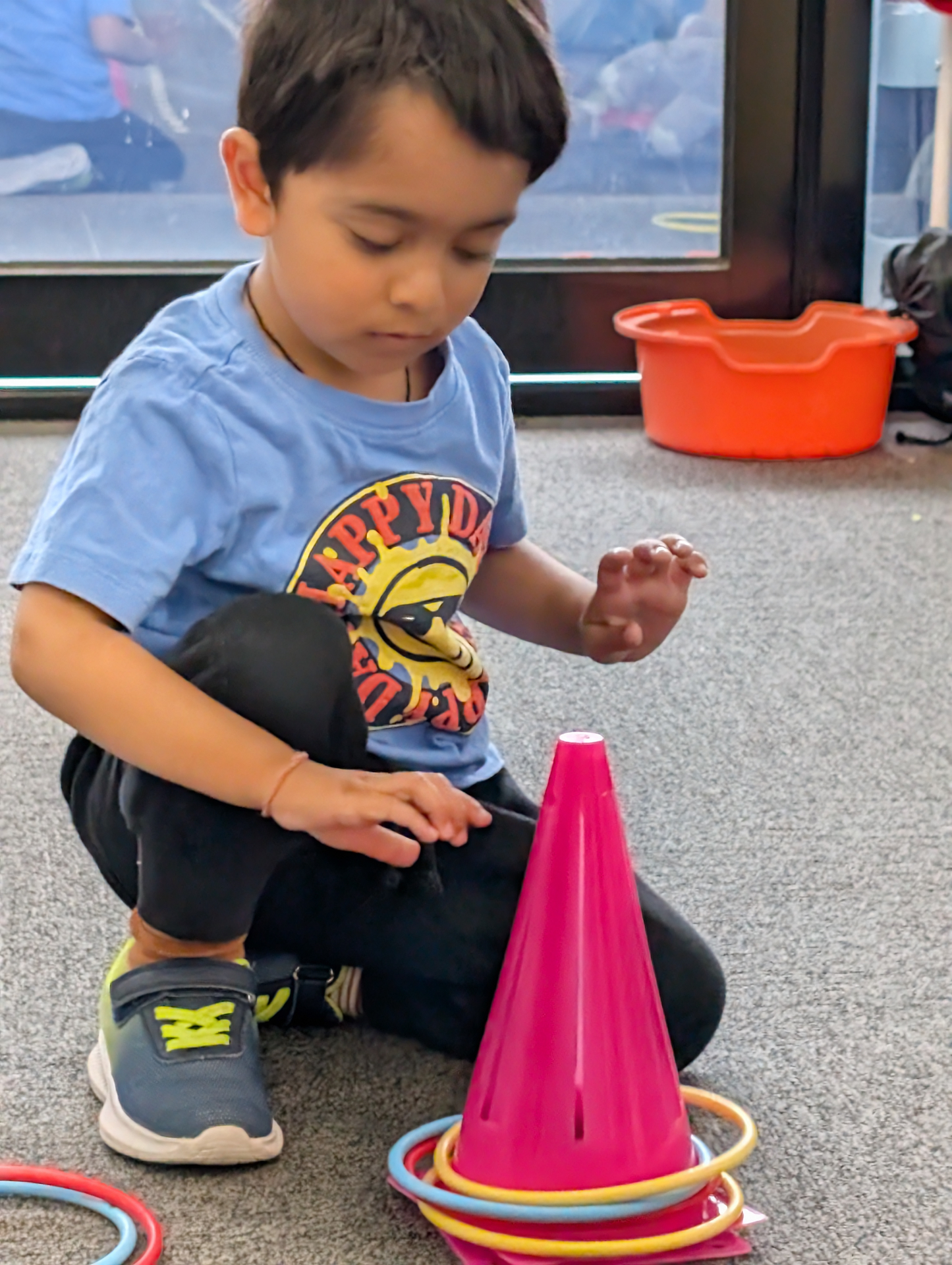
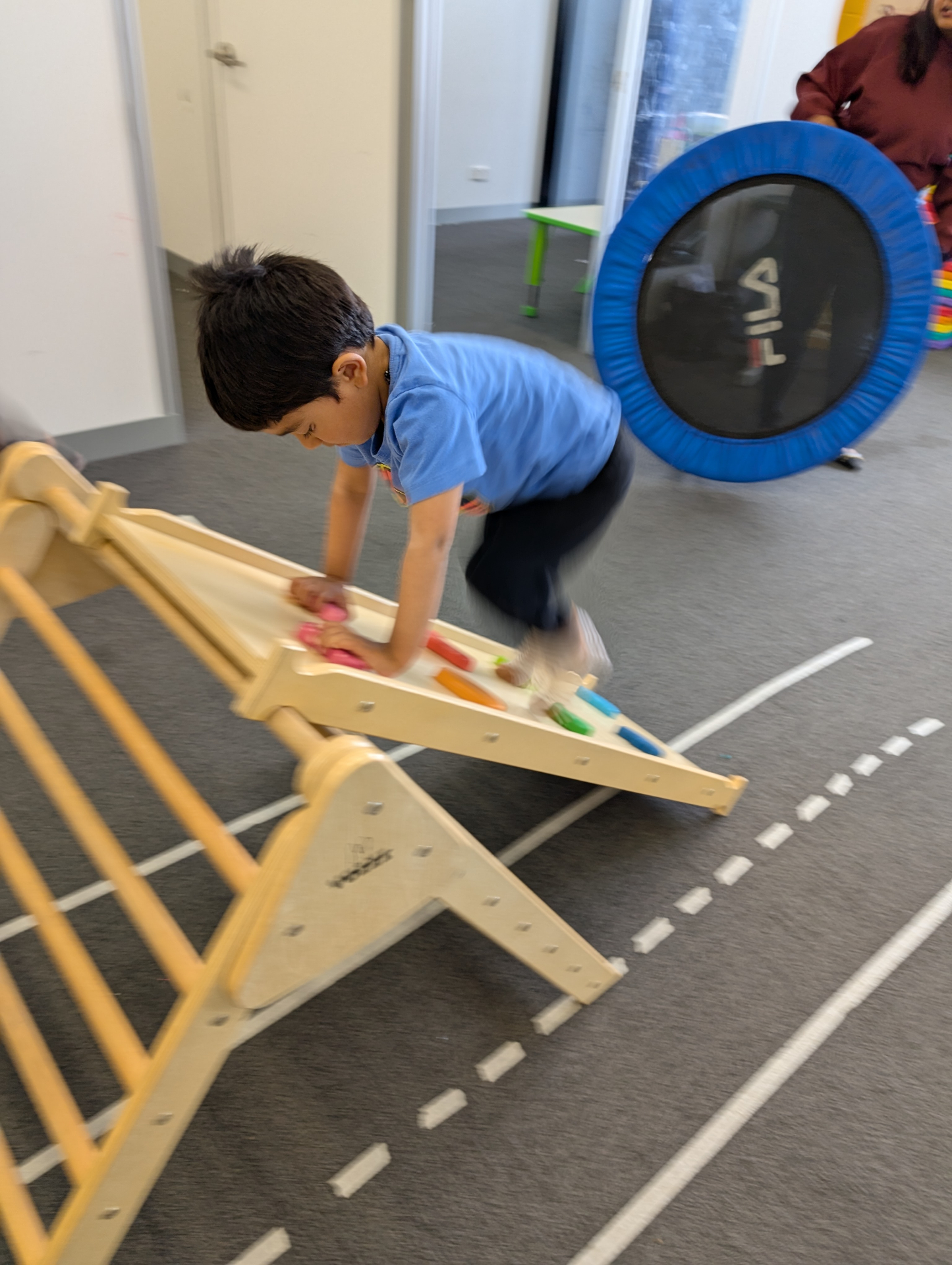
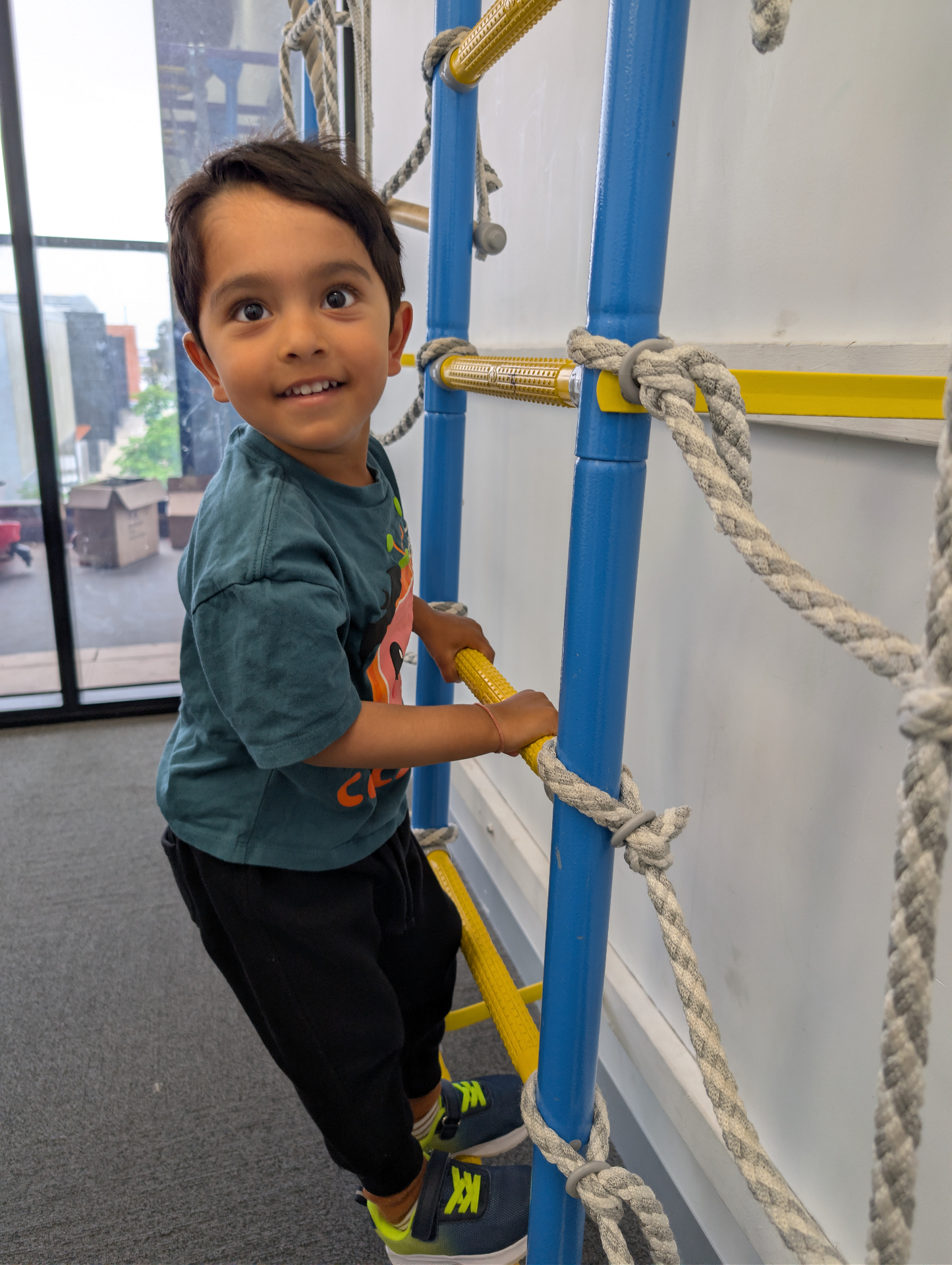
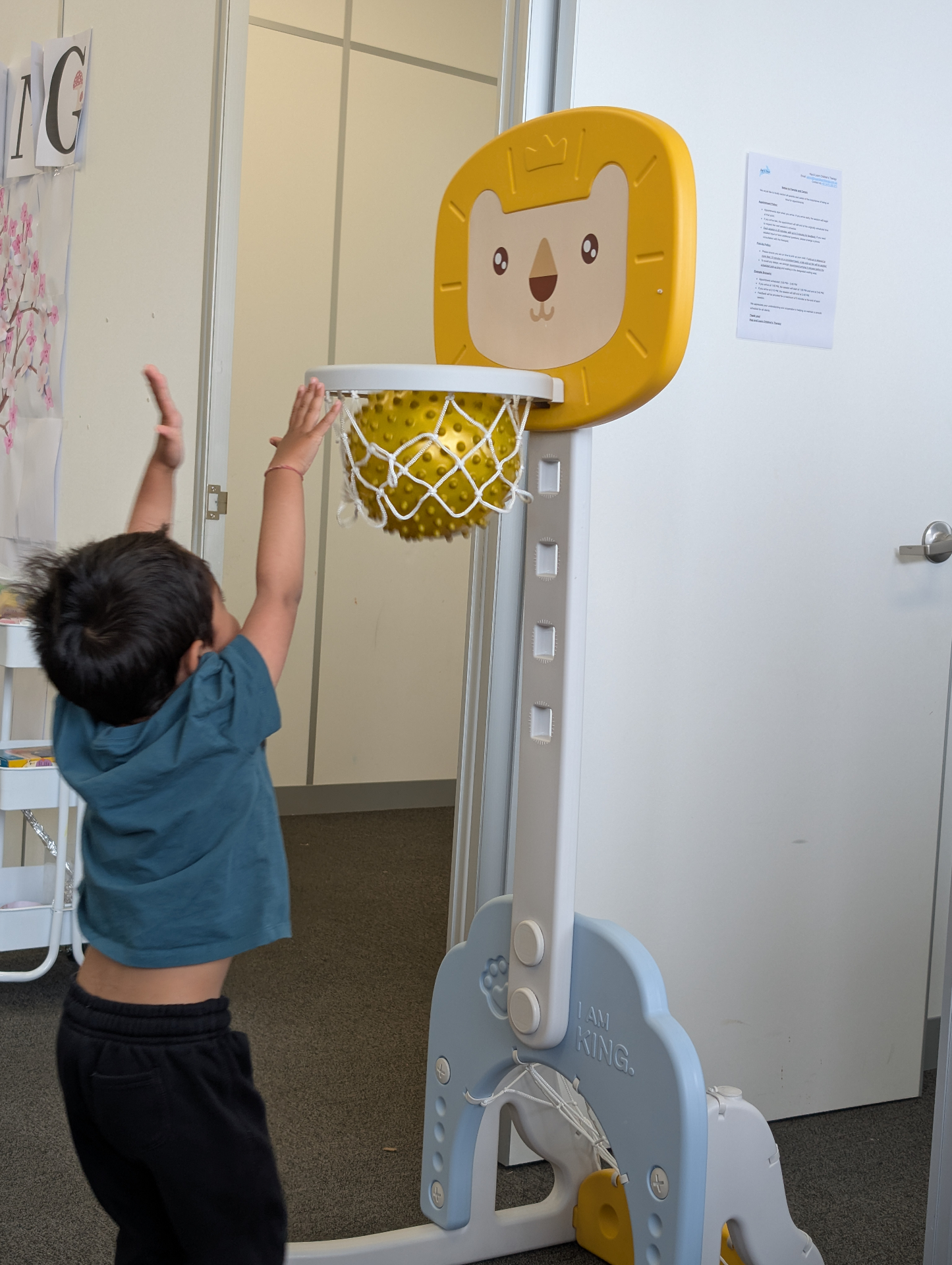
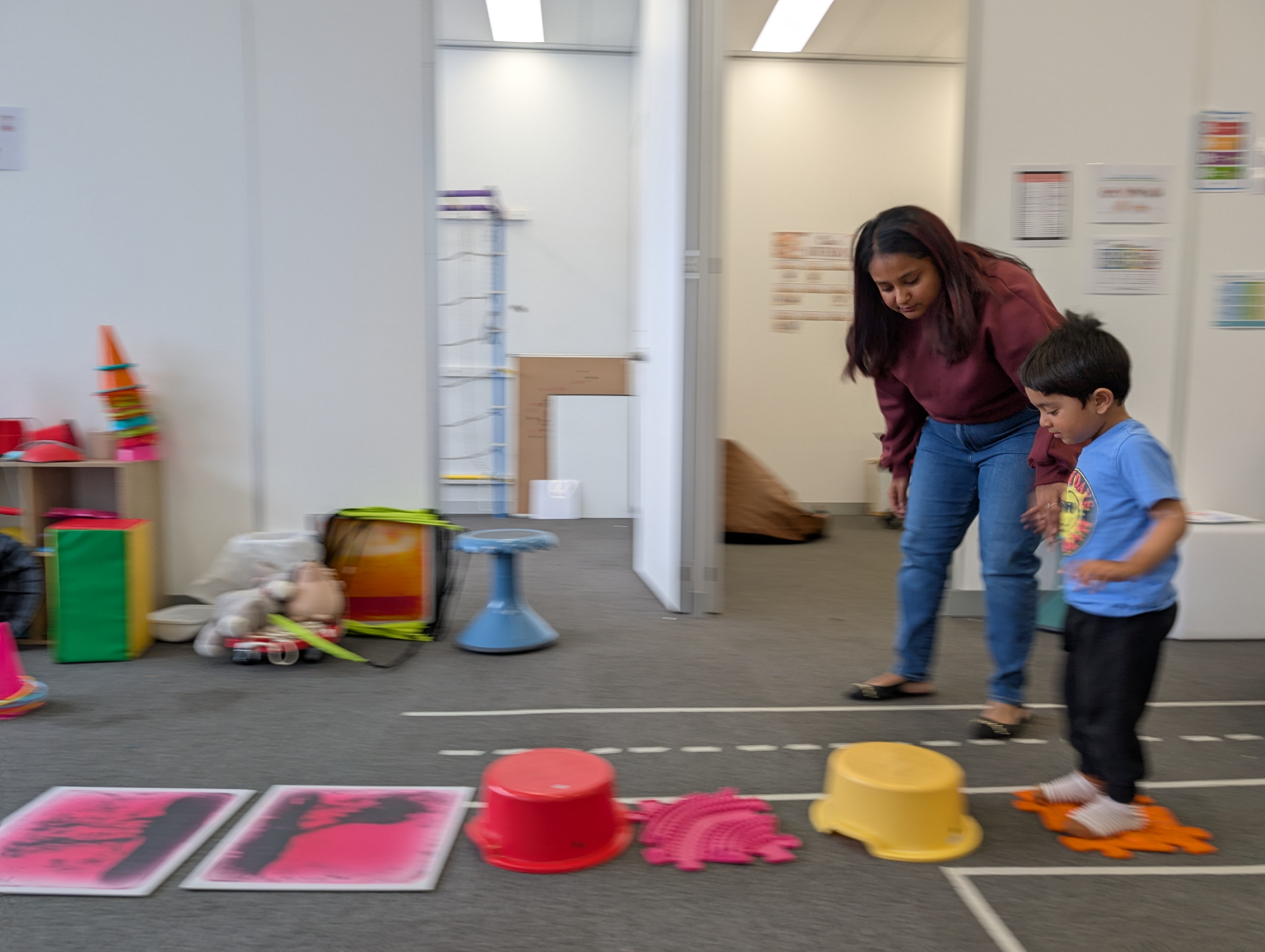
Time spent on screens is time not spent moving, climbing, running, and developing gross motor skills.
Sleep
Blue light from screens can interfere with melatonin production, making it harder for children to fall asleep.
Attention
Fast-paced media may affect children's ability to focus on slower-paced activities like reading or classroom learning.
Guidelines by Age
Under 2 Years
- Avoid screen time except video calls with family
- Focus on face-to-face interaction and play
2-5 Years
- Limit to 1 hour of high-quality programming per day
- Watch together and talk about what you're seeing
5+ Years
- Prioritise healthy sleep, physical activity, and homework first
- Set consistent limits on entertainment screen time
Making Screen Time Count
Choose Quality Content
- Educational programs designed for your child's age
- Interactive content that encourages participation
- Apps that promote creativity and problem-solving
Watch Together
- Co-viewing turns passive watching into an interactive experience
- Talk about what you're watching
- Ask questions and make connections to real life
Balance With Other Activities
- For every hour of screen time, aim for an hour of active play
- Use visual schedules to help children understand limits
- Create screen-free zones (mealtimes, bedrooms)
Practical Tips for Families
- Be a role model—children notice our screen habits too
- Create a family media plan with agreed-upon limits
- Use timers so children know when screen time ends
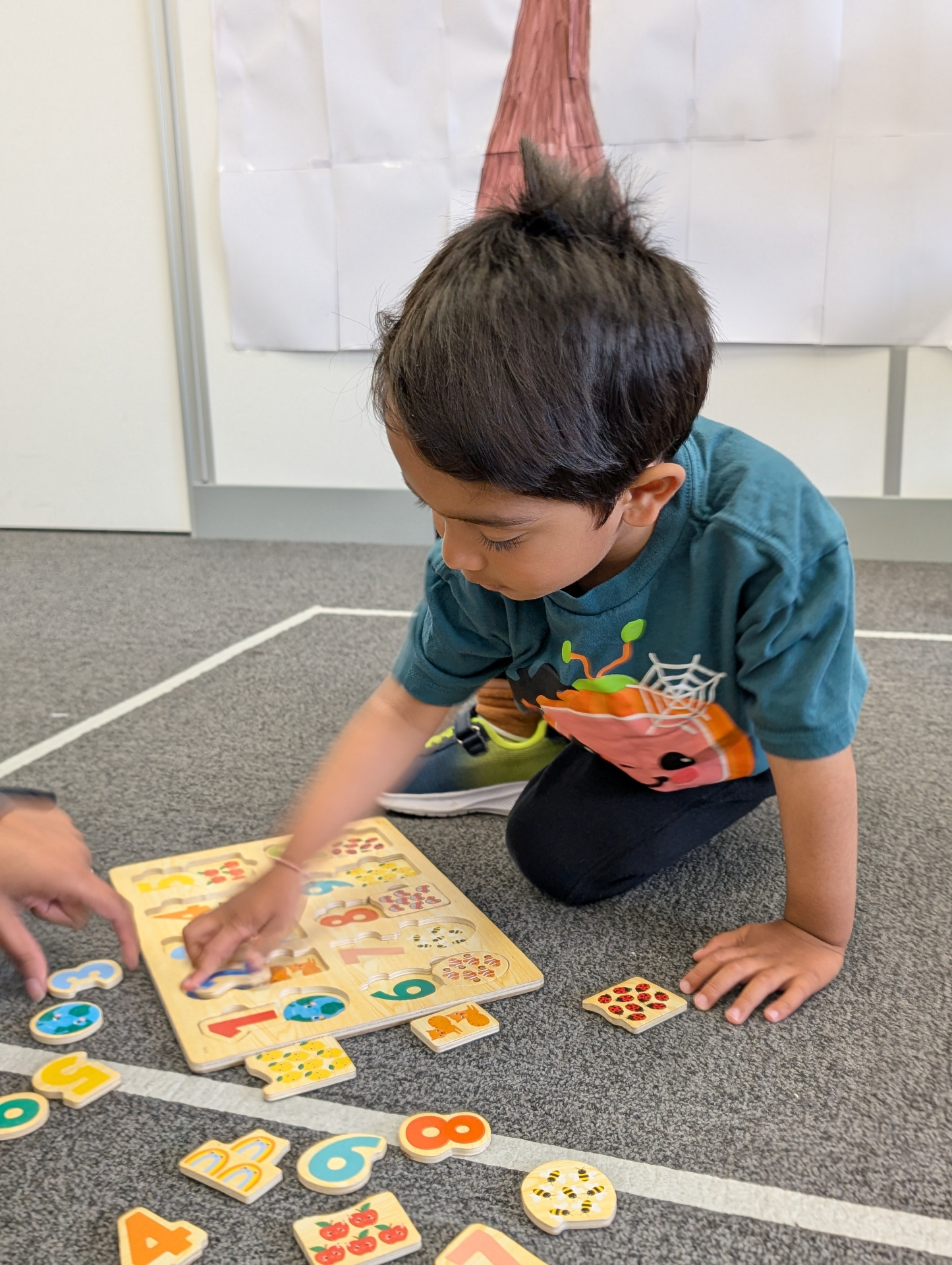
- Offer alternatives—have toys, books, and activities easily accessible
- Don't use screens as a reward or punishment—this increases their value
When to Seek Help
If your child has significant meltdowns when screens are removed, struggles to engage in other activities, or you're concerned about their development, our therapists can help. We work with families to develop healthy routines and address underlying developmental needs.