
Understanding Childhood Anxiety
It's normal for children to feel worried sometimes. Starting school, meeting new people, or trying new activities can all trigger anxiety. But when worries become overwhelming or interfere with daily life, children may need extra support.
Signs of Anxiety in Children
Children often express anxiety differently from adults:
- Stomach aches or headaches without medical cause
- Difficulty sleeping or nightmares
- Avoiding situations or activities
- Seeking constant reassurance
- Becoming clingy or not wanting to separate from parents
- Irritability or emotional outbursts
- Difficulty concentrating
- Changes in eating habits
Helpful Strategies
Validate Their Feelings
"I can see you're feeling worried. That's a really hard feeling." Don't dismiss or minimize their fears—acknowledge them.
Name the Worry
Help children externalize anxiety by giving it a name or character. "There's that Worry Monster again! What is he saying today?"
Teach Deep Breathing
Practice when your child is calm:
- Balloon breathing (breathe in to blow up your belly balloon, slowly let it out)
- Square breathing (breathe in for 4, hold for 4, out for 4, pause for 4)
- Smell the flower, blow out the candle
Create a Worry Time
Set aside 10-15 minutes each day to talk about worries. Outside of that time, worries go in a "worry box" to be discussed later. This contains rumination.
Build a Coping Toolkit
Work together to create a list of things that help when worried:
- Cuddle a soft toy
- Listen to calming music
- Go outside for fresh air
- Draw or colour
- Talk to a trusted adult
Gradual Exposure
Avoidance makes anxiety worse. Gradually and gently expose your child to feared situations, celebrating small steps.
Model Coping
Let your child see you manage your own worries: "I'm feeling a bit nervous about this meeting, so I'm going to take some deep breaths."
When to Seek Professional Help
Consider support from a therapist if:
- Anxiety is significantly impacting school, friendships, or family life
- Your child is avoiding more and more activities
- Physical symptoms are frequent
- You've tried strategies at home without improvement
- Your own stress about their anxiety is increasing
Our Approach
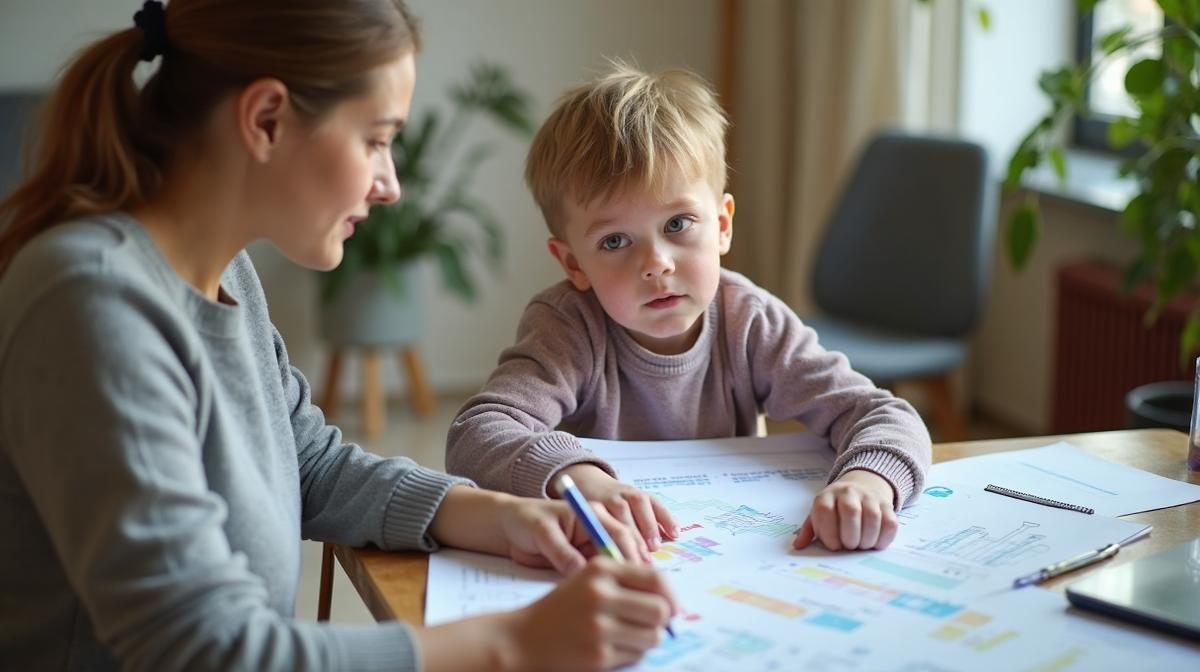
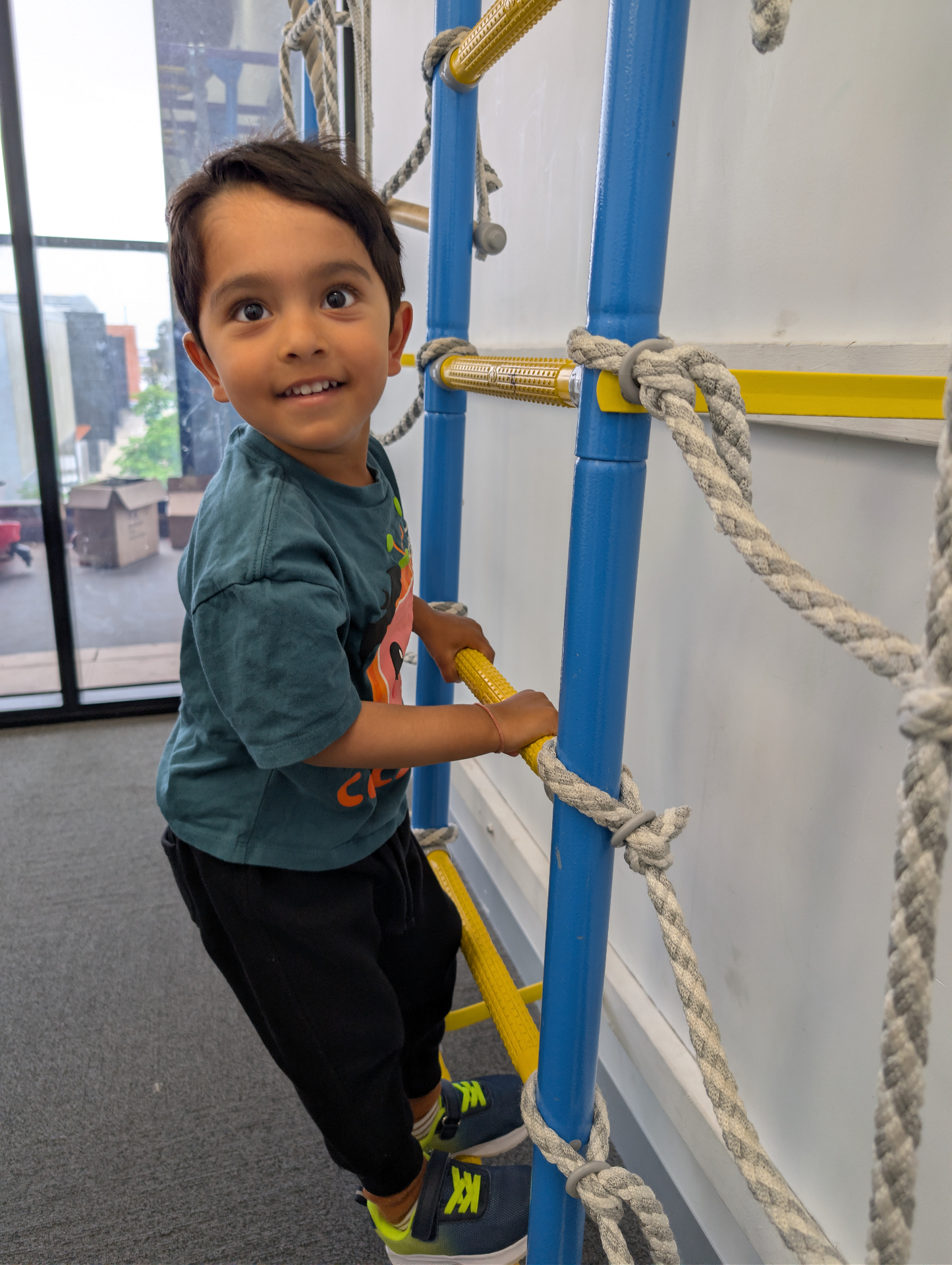
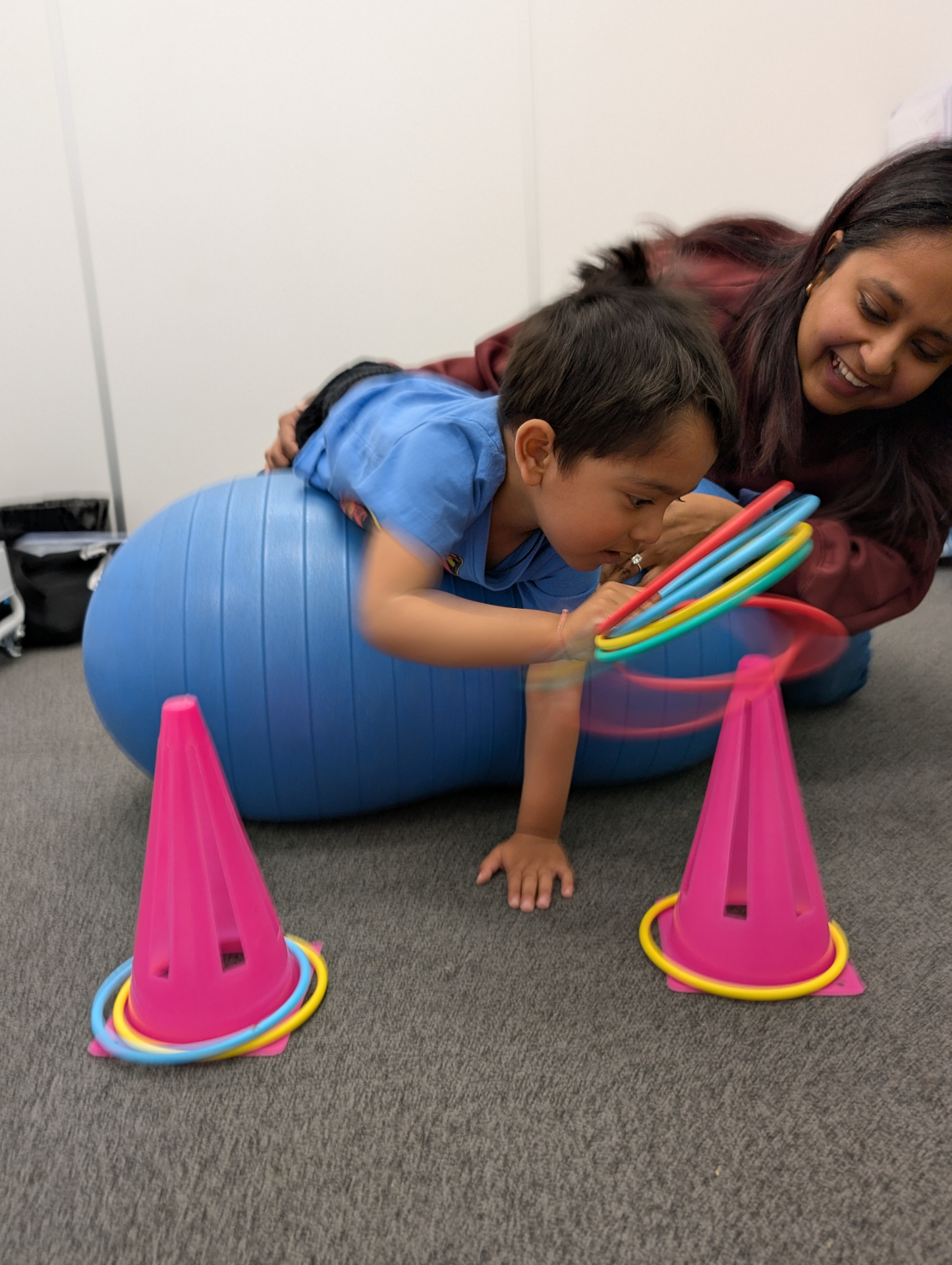
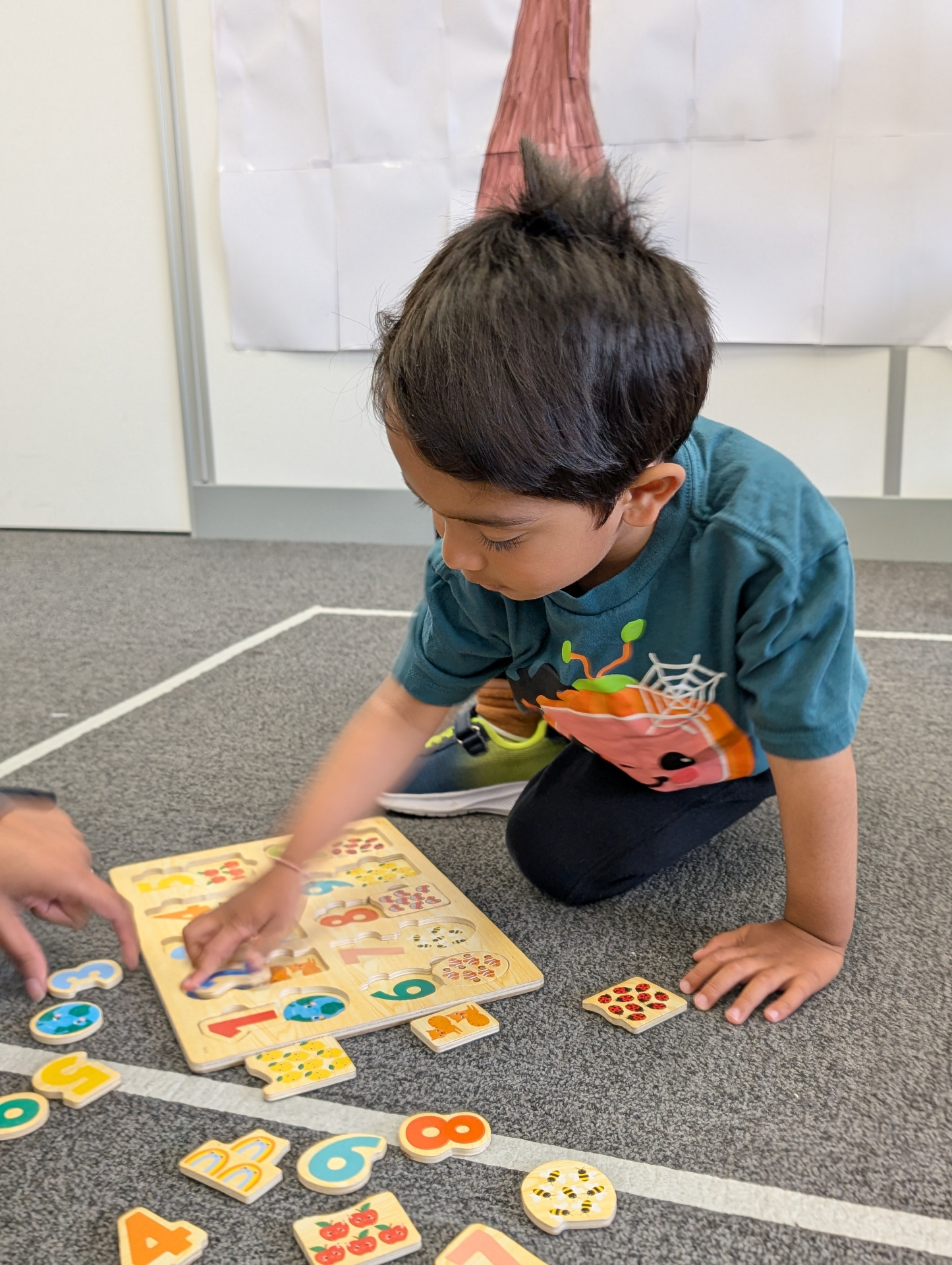
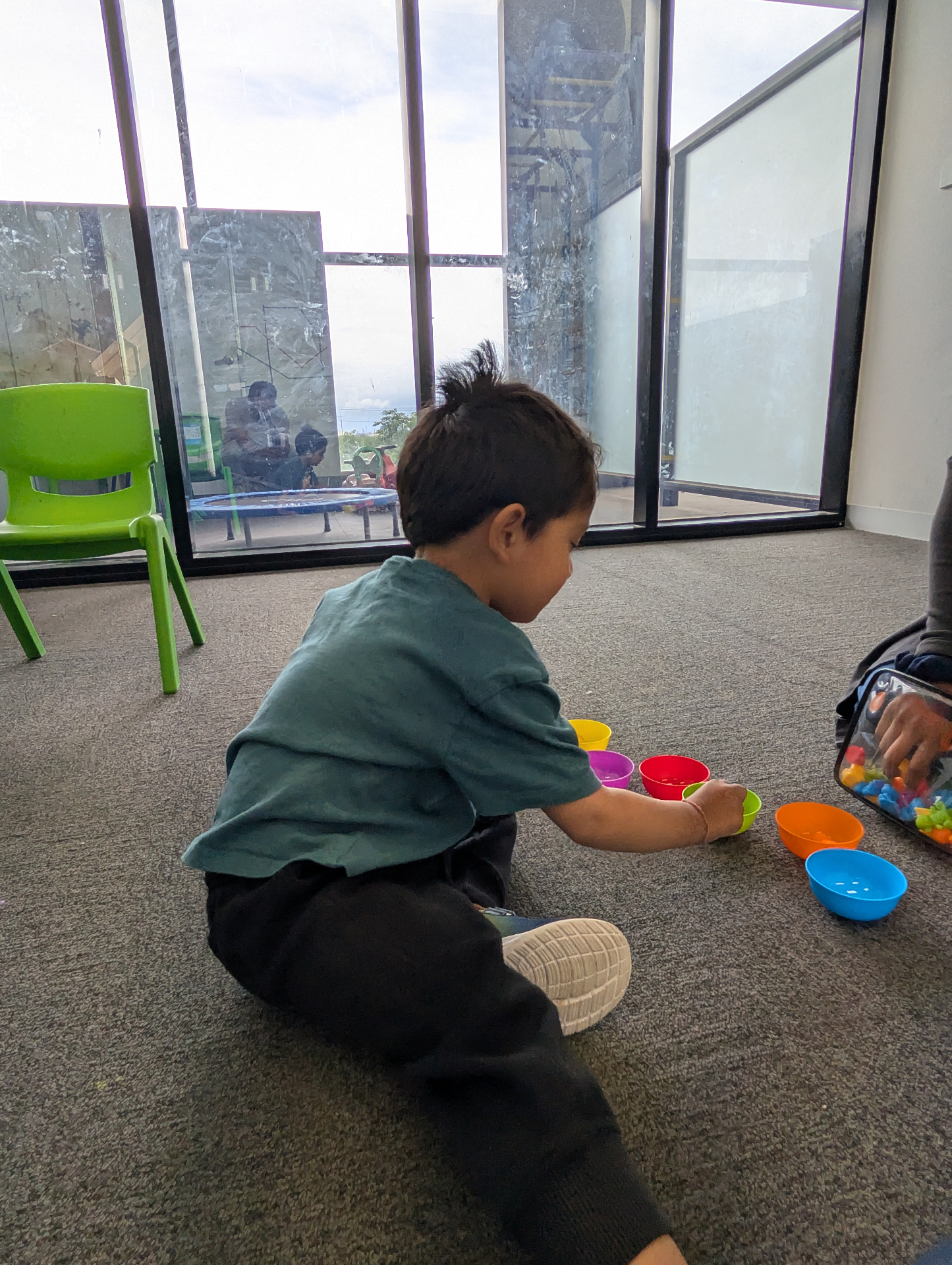
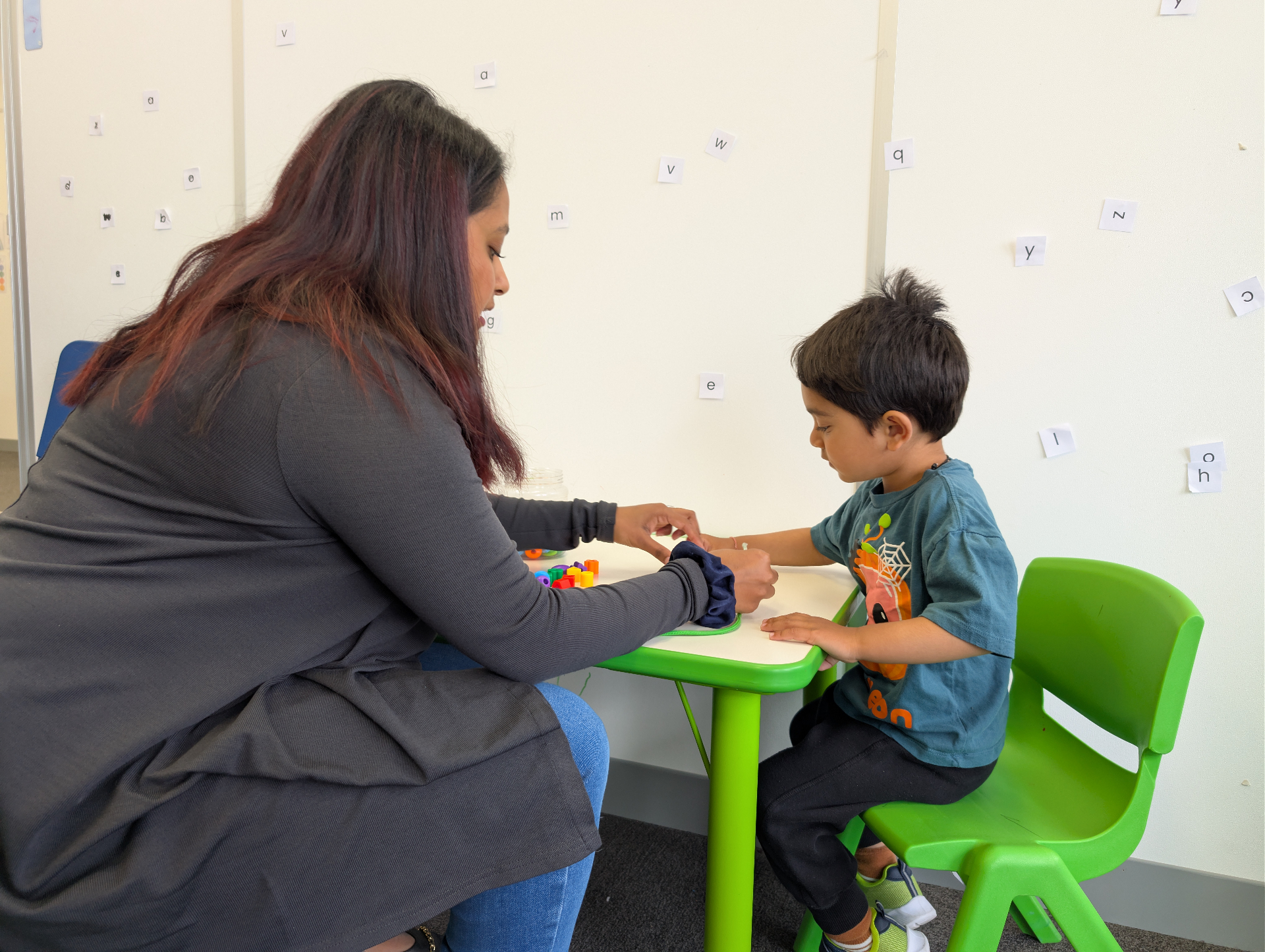
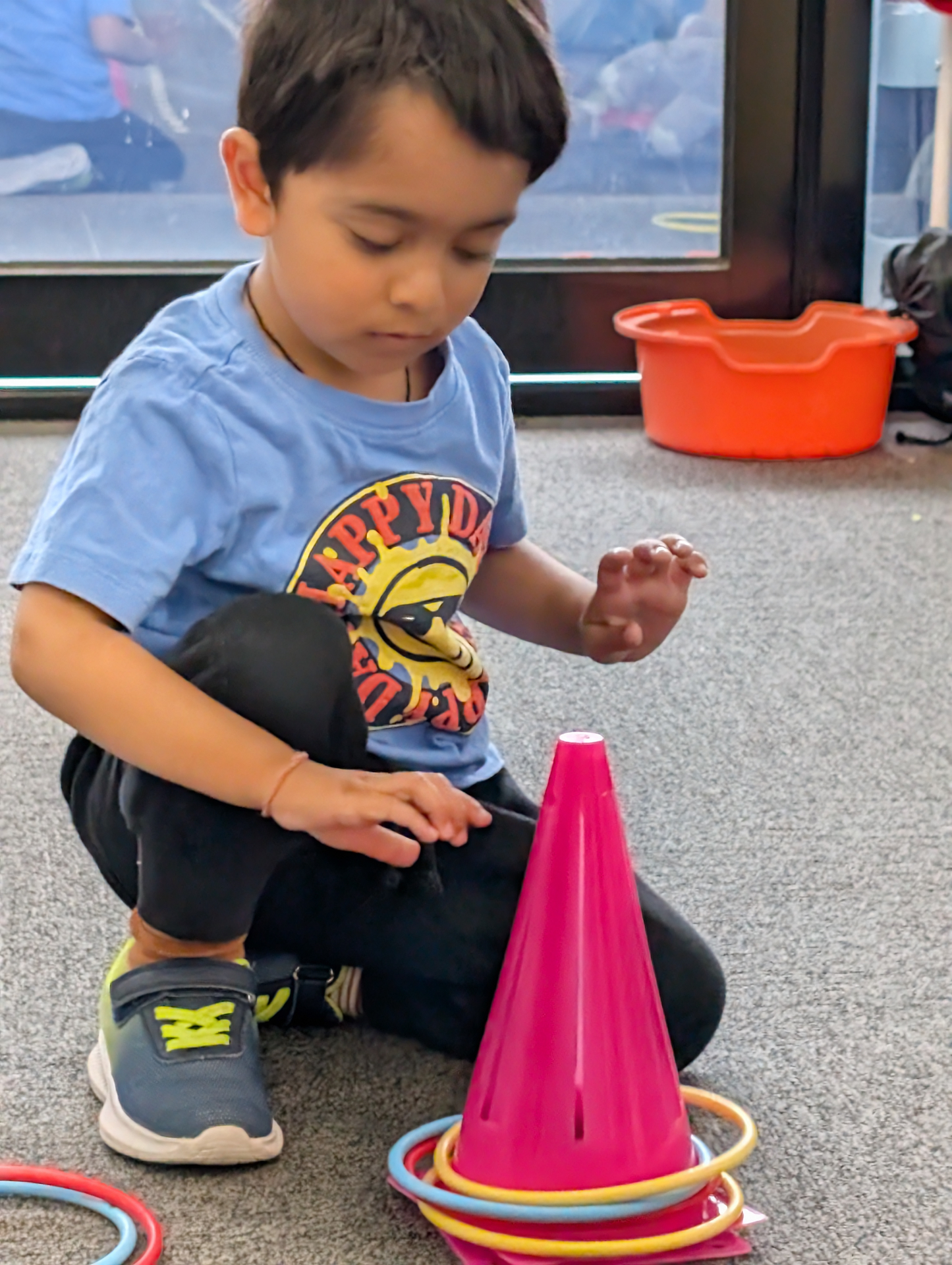
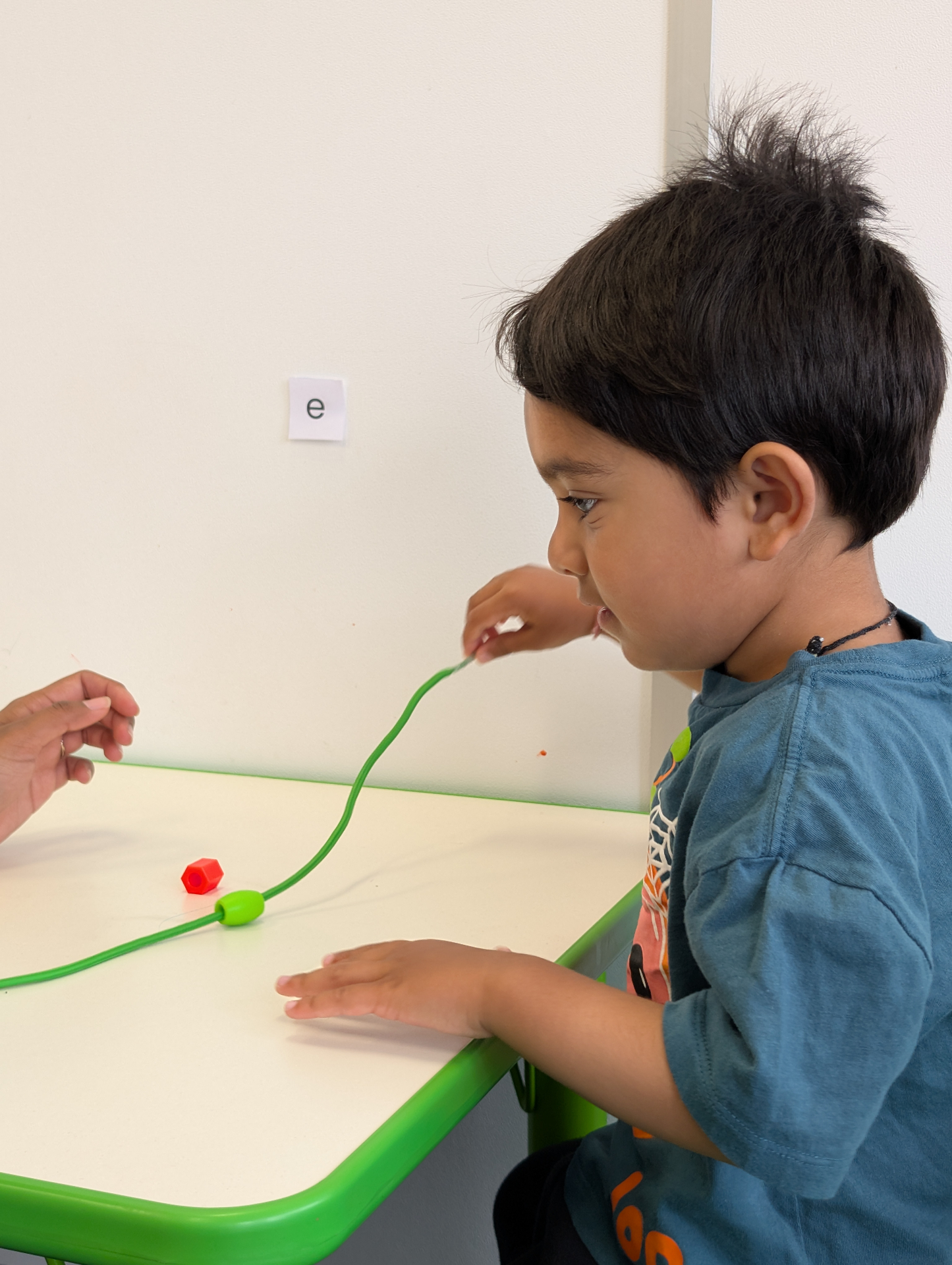
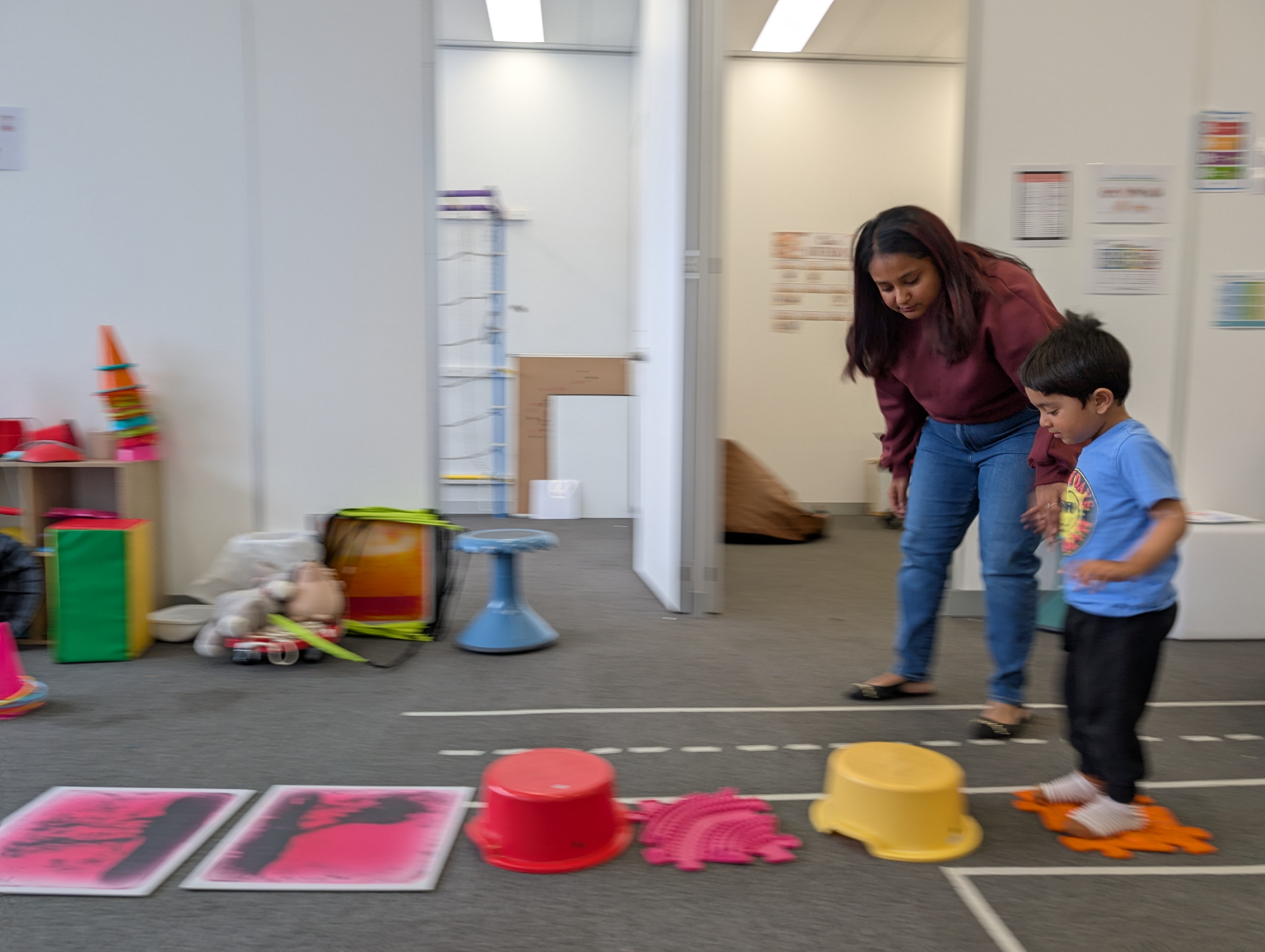
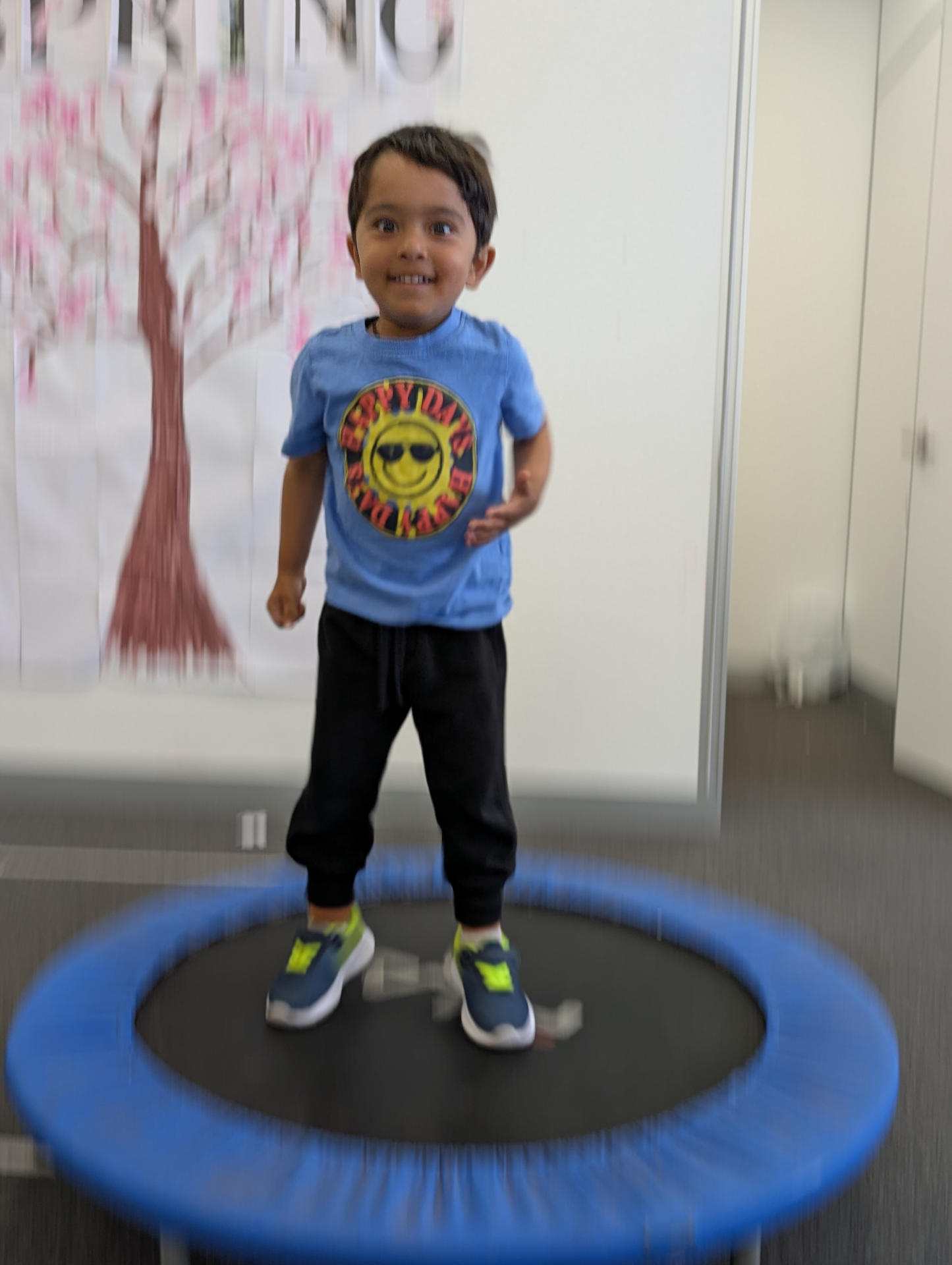
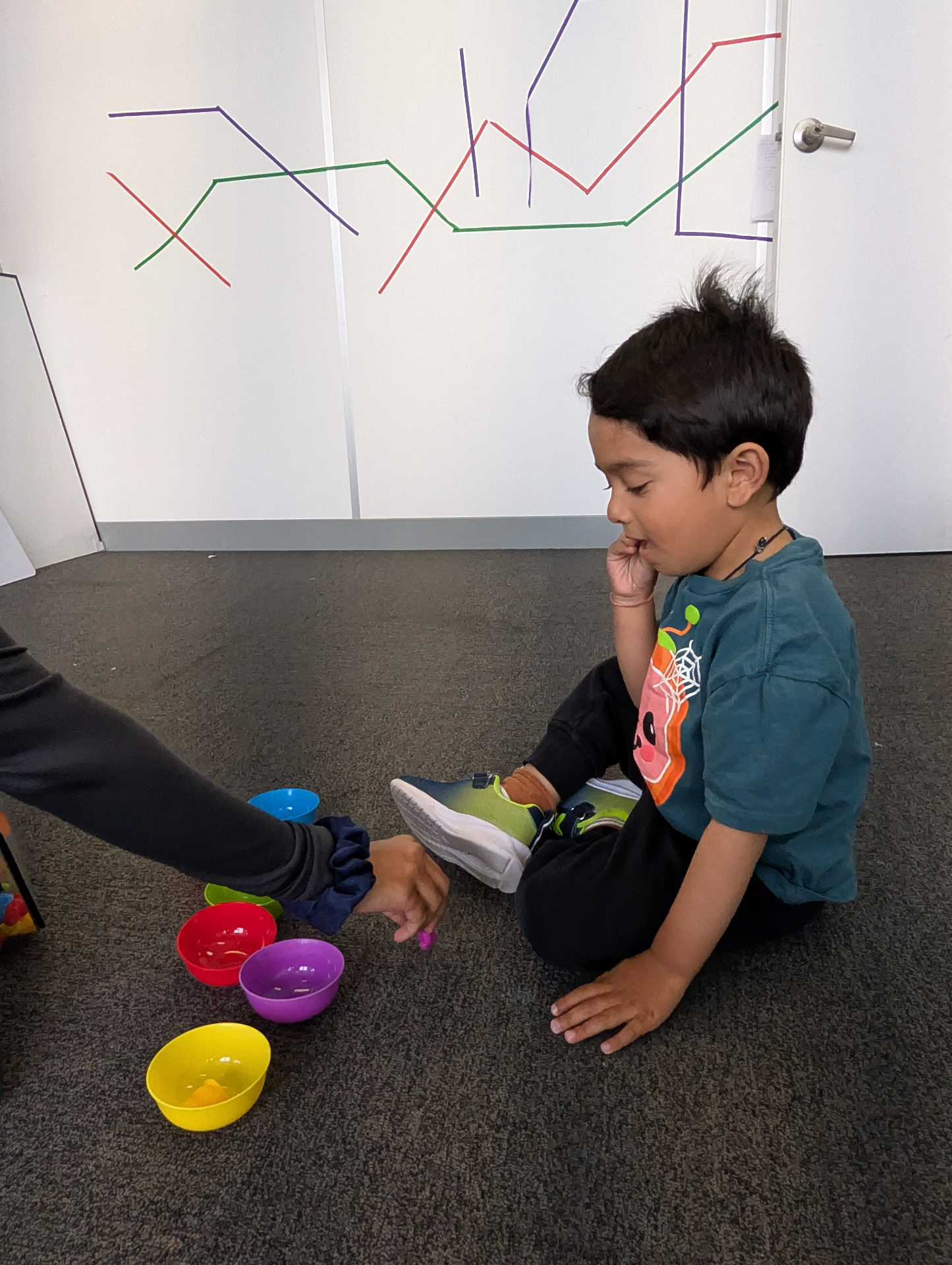
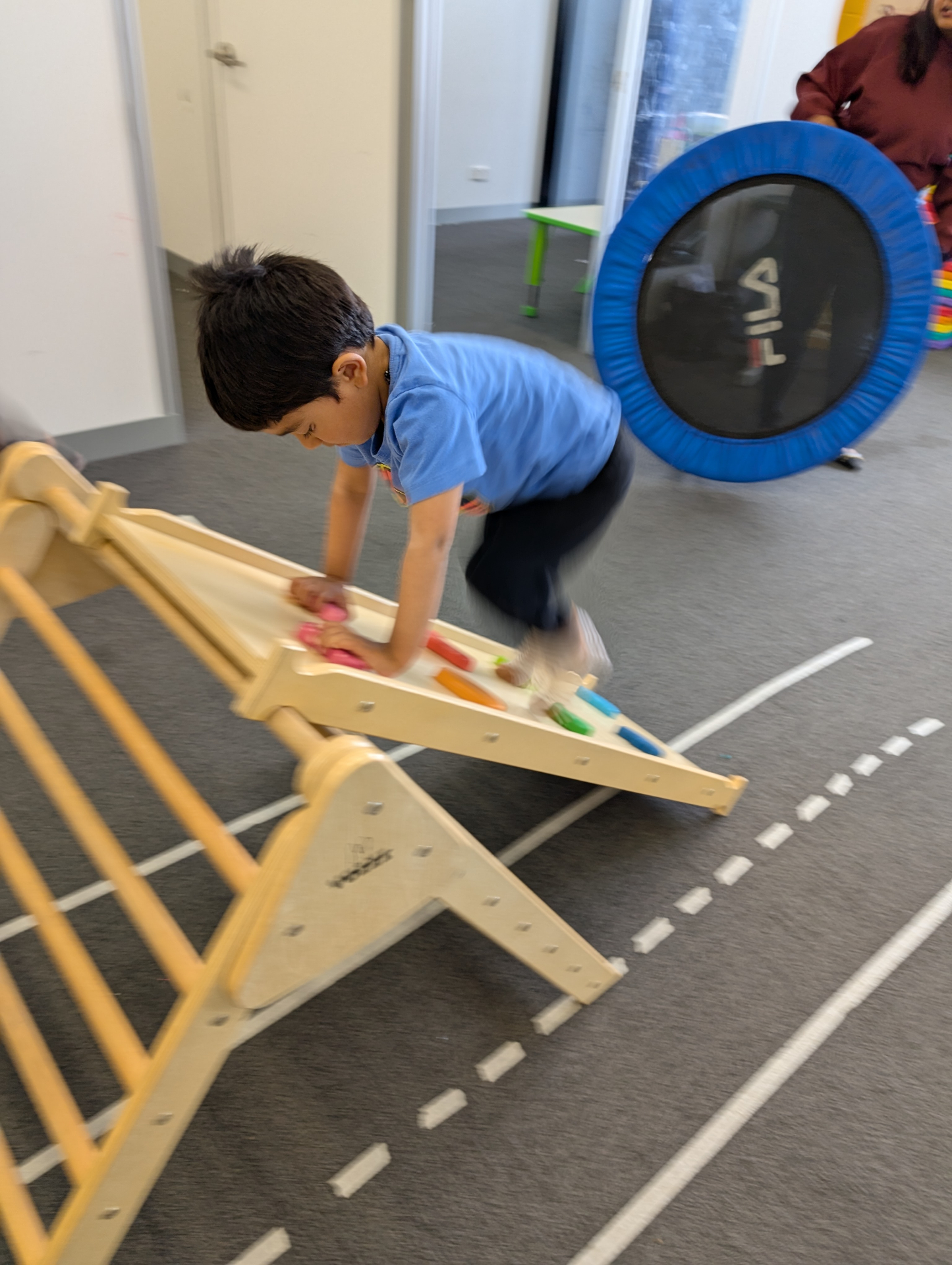
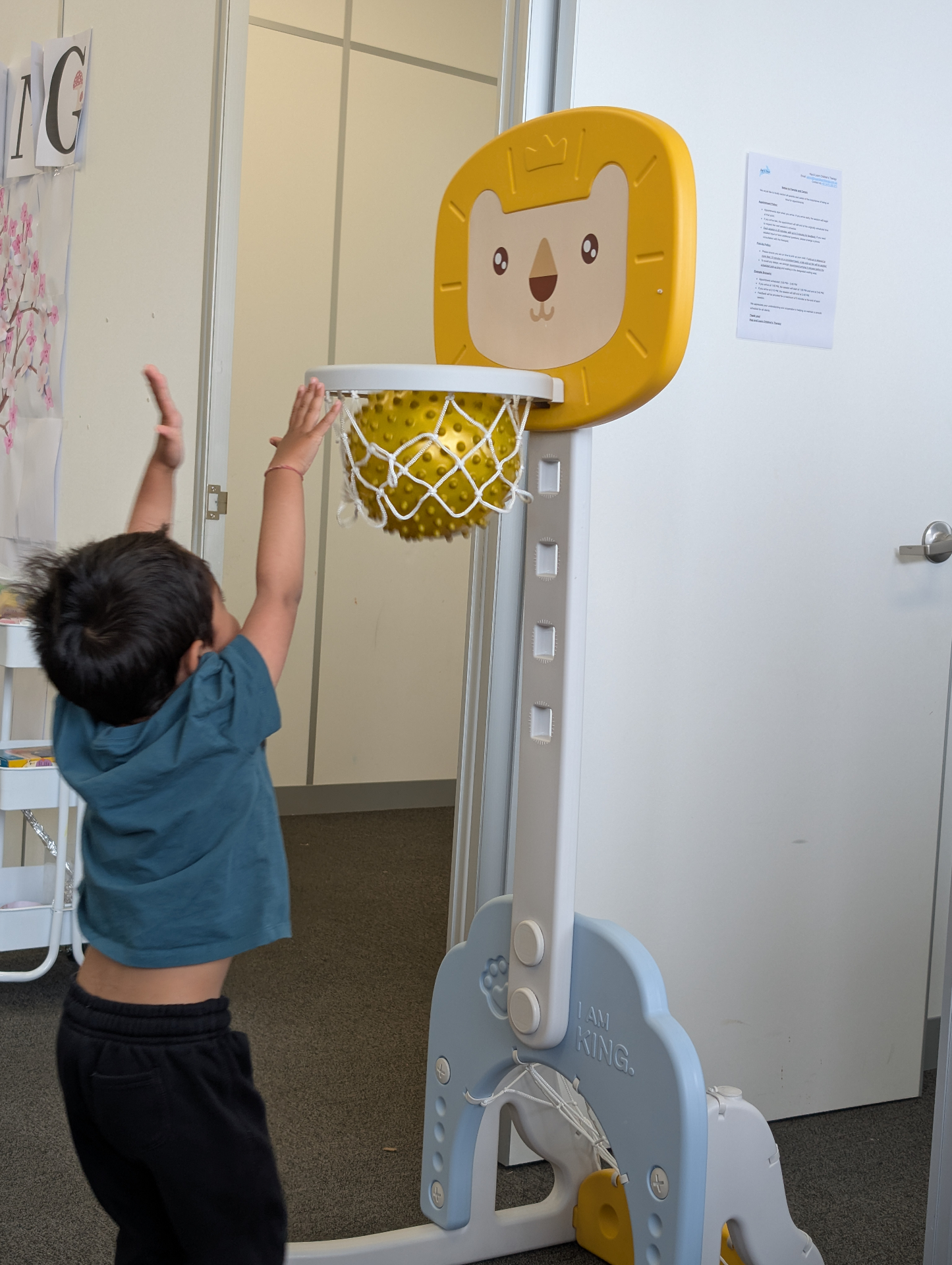
At Hop & Learn, our therapists work with anxious children using play-based approaches. We help children understand their feelings, develop coping strategies, and build confidence—all while having fun. We also support parents with coaching and strategies to use at home.
Remember: Anxiety is treatable. With the right support, children can learn to manage their worries and thrive.